Best Penguin Adventure Yet

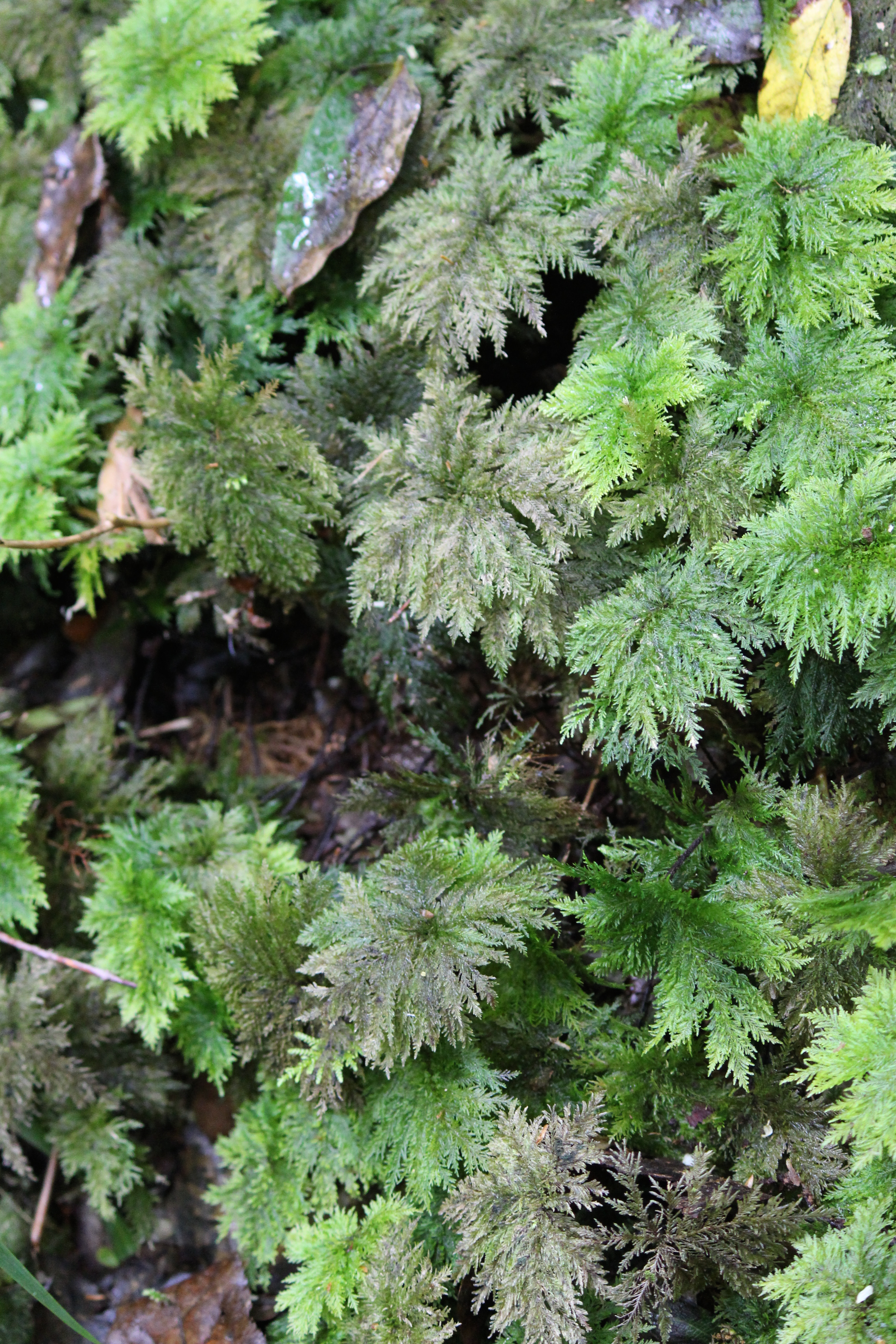
symbol of New ZealandrainforestI sat on a rock on beach nestled near the rainforest. The rain was dripping down my nose and onto a towel protecting my camera. We hiked down from the road through thick rainforest and across streams. It was near the end of the penguin nesting season, so my guide Dr. Gerry McSweeney did not guarantee we would see a penguin. I was the only guest on the guided hike and yet because of Gerry’s great enthusiasm to share these rare birds he did not hesitate to take me on my own. We waited patiently for our reward.
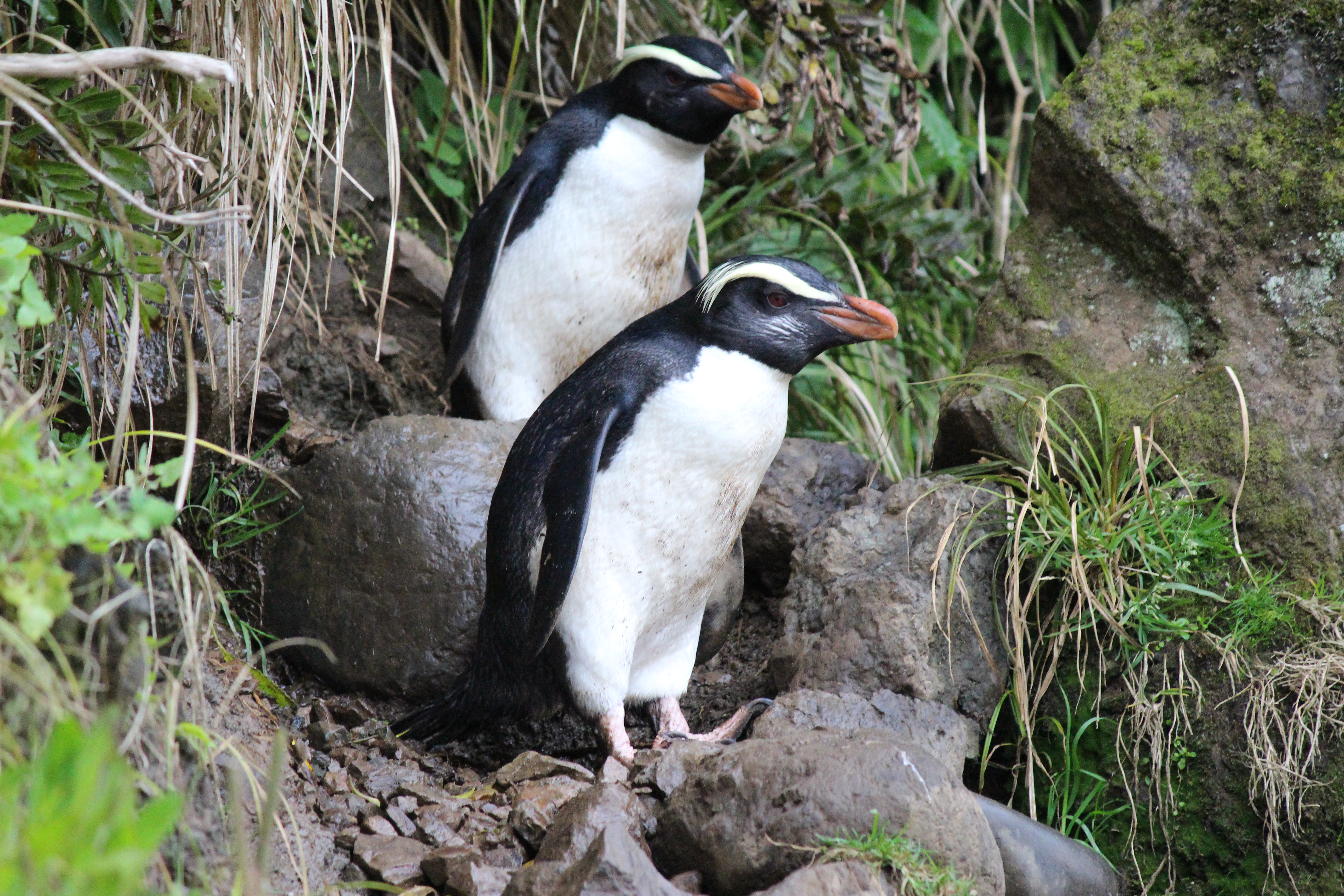
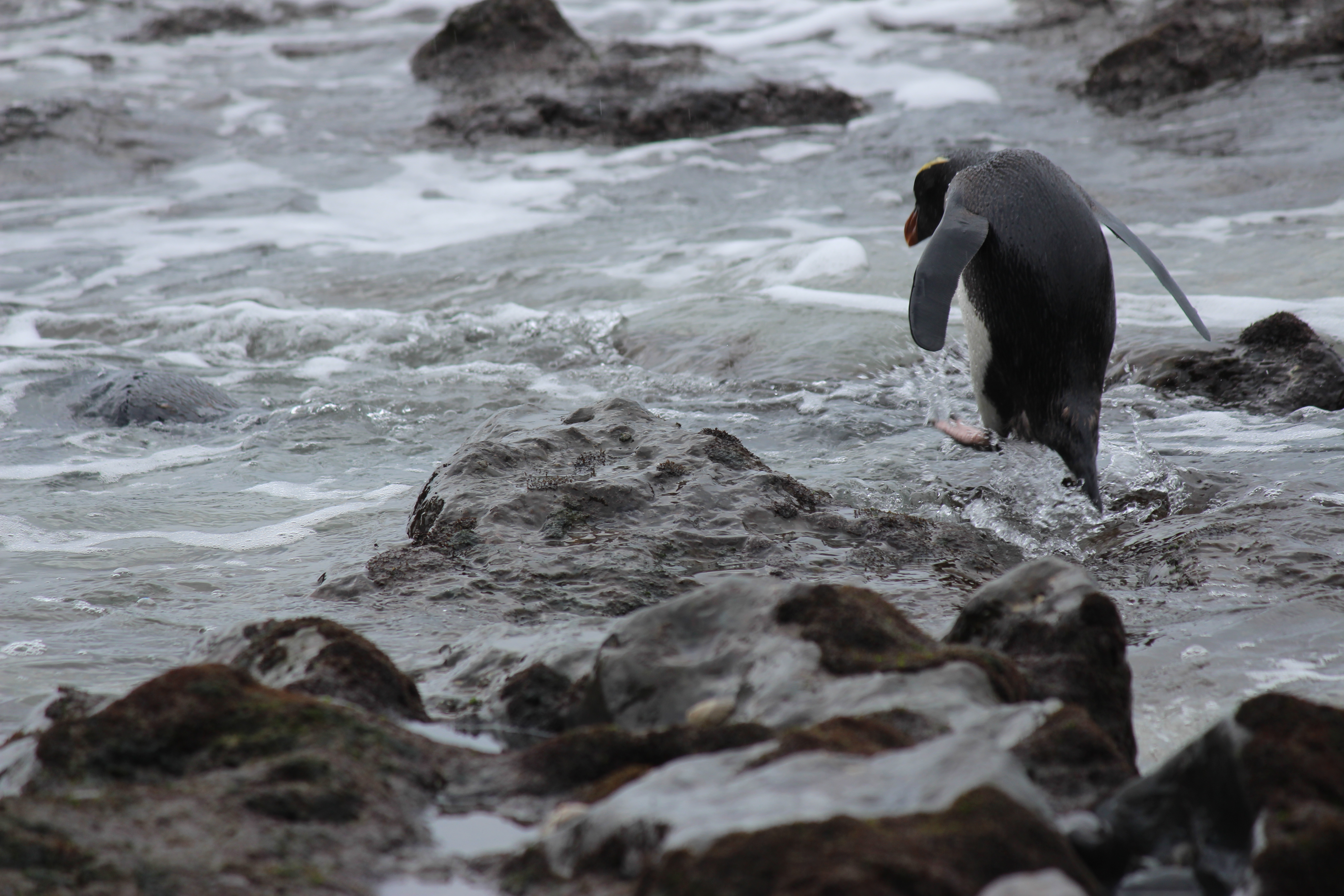
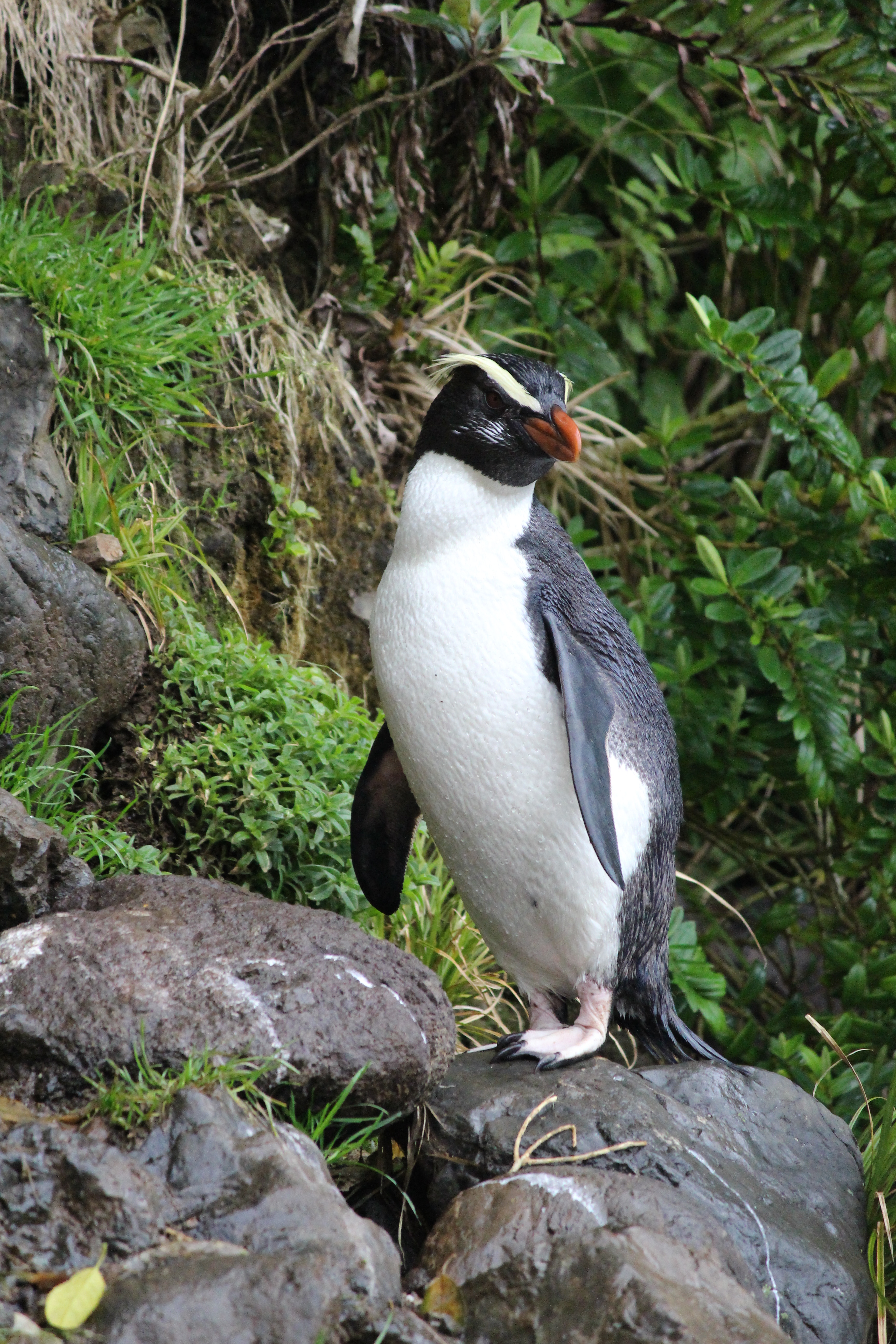
Fiordland Crested PenguinsThe Fiordland Crested Penguin nest in the rainforest and go to and fro all day to feed themselves and their chicks. At last we saw a shy fellow peek out of the foliage on a steep trail down to the beach. The trail looked like a slip and slide and it was hard to believe the ungainly penguin could navigate it. He/she saw us as I moved closer to get a better view I spooked her and he retreated. After more patient waiting we were rewarded with two penguins.  All together we saw 15 penguins throughout the morning, plus starfish and sea urchins, a gorgeous coastline and a rare orchid in the forest.
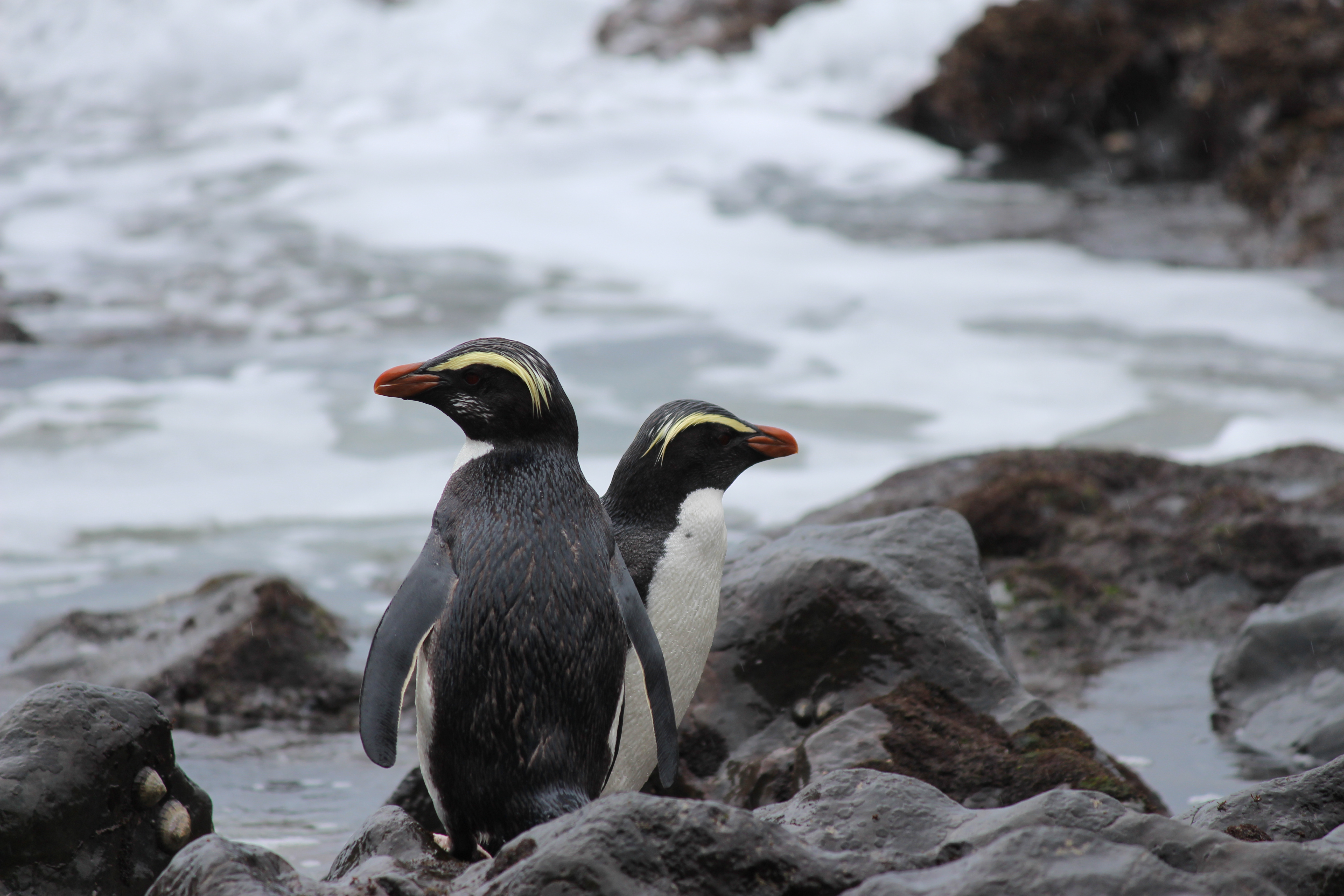
penguinsThey emerged from the forest moved down the bank and onto the rocky beach. They are ungainly on land and yet completely charming when hopping from rock to beach. They slipped into the water and displayed their true grace.  coastline

penguinI have enjoyed many adventures to view penguins in New Zealand, and this was the best yet. There are three types of penguins living in New Zealand. The little blue penguin can be found almost along every coastline on North and South Islands. The yellow-eyed penguin can only found along the southernmost coastline of South Island. And the rarest of the three, the Fiordland Crested penguin, lives along the west coast of South Island.

Dr. Gerry McSweeney, guide and host at Wilderness Lodge. Also keeper of the habitat along this stretch of coastline.

Penguin viewing is seasonal–beginning in December the penguins begin to go to sea for long months of swimming and eating. They return again in July and August to raise their chicks in a creche. I was able to arrange a guided penguin viewing on November 29 at the Wilderness Lodge at Lake Moeraki.

starfishTo get there I flew into Queenstown and rented a car, then drove 3.5 hard miles to 30 miles north of Haast on the coast. I arrived just in time for a wonderful dinner at the Lodge. Staying at the Lodge includes dinner and breakfast. The guided penguin experience is an additional NZ$160.00 and totally worth it! The Lodge provides adventurers boots and raincoats, and hot tea and biscuits.

It was so thrilling to watch them in their habitat being penguins. I just look at the pictures and it takes me back. As in the best adventures, I want to do it again.penguin
Designing the Perfect New Zealand Adventure, Part I Penguins

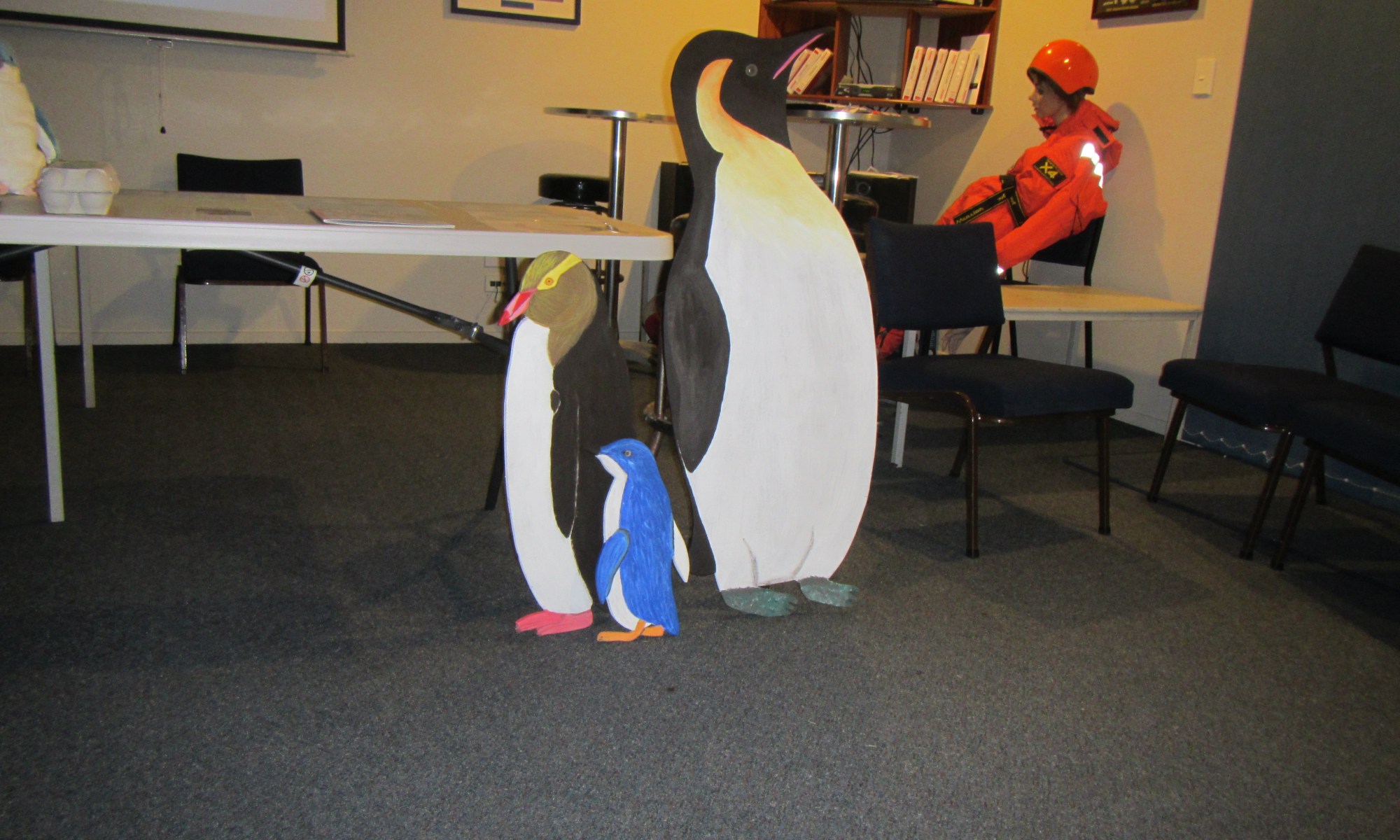
These plywood penguins are helpful educational tools, but I want to see real penguins in the wild!

My adult kids and I will be celebrating my birthday and Thanksgiving in St Heliers, Auckland, New Zealand. I am so excited to share my favorite places in Auckland with them and tackling some adventures such as climbing Rangitoto. We will make a traditional American groaning feast for my Kiwi friends and then we will pursue our own adventures.

Every trip begins with booking tickets on Air New Zealand. For $50 one of their helpful advisors will help make more complicated reservations over the phone. Sometimes there is a savings if you are traveling to several places within New Zealand during your stay. This trip I made all of my reservations on line. Their easy to use site allows me to book my flight, pick my seat and let them know if I have special dietary requirements or need to bring an extra bag.

With my bookends of arrivals and departures (and notice that you lose a day on the way over from USA and live your last day twice on the way back), I begin to fill in the middle points. If I have confirmed dates in certain places I typically log on to Booking.com and make my hotel reservations, Kayak.com for auto reservations and then Trip Advisor for ideas for things to do and for reviews of hotels if I am undecided on Booking.com.

I am going to South Island for a combination of penguin viewing and cycling.  Penguin viewing was my highest priority: I want to see both Fiordland penguins and yellow eyed penguins. And I want to visit Stewart Island (mainly for kiwi birds).  My challenge was figuring out the best places to see these and then create an itinerary that is reasonable and fulfilling.

New Zealand Penguins website is a life saver.  It lists several options for each type of penguin that I want to view.  I decided to visit Lake Moeraki in South Westland, Stewart Island in Southland, and Dunedin in Otago for my three penguin stops. I created a matrix for Dunedin since there are so many options. I have begun searching the various penguin guide websites and emailing for more details. I will soon have my tickets or reservations.

The complicating factor is the cycling. I really would like to cycle the Otago Central Rail Trail from Queenstown to Dunedin (the last bit by train). I had to establish the timeframe for that before I could solidify my penguin plans. And I had to make some adjustments to my plans. Originally I thought I’d drive from Queenstown to Lake Moeraki to Invercargill to Dunedin, but the cycling trips begin in Queenstown. Some quick changes to my itinerary and voila! I am able to do everything I want to do.

It is a very full schedule, and not everyone would find four days of cycling the “relaxing” bit. I am super charged about it.

Powell’s Books Box Arrived Today

It is like Christmas. Or the day the Scholastic book order arrived in my classroom!  I forgot some of the books I bought: some great used books on cycling and World War I. In among the treasures lay a book called Antarctic Antics: A Book of Penguin Poems by Judy Sierra. Enjoy the poem below while you watch the video from YouTube.

Penguins First Swim by Judy Sierra

Ten little penguins all in a line–

One jumps in, and now there are nine.

Nine little penguins, how they hesitate–

One tumbles in, and now there are eight.

Eight little penguins pushin’ and shovin’–

One slides in, and now there are seven.

Seven little penguins, scarcely more than chicks–

One slips in, and now there are six.

Six little penguins can’t decide to dive–

One falls i, and now there are five.

Five little penguins huddle on the shore–

One flops in, and now there are four.

Four little penguins fidget fearfully–

One hops in, and now there are three.

Three little penguins wonder what to do–

One rolls in, and now there are two…

Two little penguins missing all the fun–

They both leap in, and now there are…

Ten little penguins, brave as they can be,

Splashing in the waves of the salty southern sea.

Antarctic Antics


Celebrate World Penguin Day!

World Penguin Day

To celebrate World Penguin Day, here is a roundup of penguin related links.

First, World Penguin Day began when the scientists at McMurdo Station in Antarctica noticed that the Adelie penguins return to nest every year on April 25th. They began to celebrate and it grew into World Penguin Day. Check out their webcam.

Now a shout out to my friend Mara V. Connolly’s blog. She guest blogged in this space about African penguins. Follow this link to a leadership lesson that these same penguins taught her.

Earlier I shared Dyan DeNapoli’s Ted Talk about penguins. Here is a link to her website: The Penguin Lady. Check out the links to other penguin organizations on her resources page. Or click on the “yellow sticky” on the home page that says Help Save Penguins.

Here are some basic facts about penguins and the scary future they face. Check out this link to Defenders of Wildlife’s penguin page.

Penguins are awesome. Enjoy!


The Great Penguin Sweater Caper of 2014

Oh what big hearts knitters have. We knit caps for kids in the cold, blankets for children who have lost their homes to fire or are hospitalized, prayer shawls for people battling cancer. I could go on and on.

Not surprising when a post about penguins in need of sweaters appears on Facebook it goes viral. Today I saw 3 separate posts. Aided by the animal lovers the appeal is irresistible to many.

Warning: penguin sweaters or jumpers are not needed at this time!

And sort of not true.

If you are just finding out penguins slicked with oil do not need sweaters, I know how you feel.

I was in Auckland, New Zealand during 2011 when the non-stop coverage of the Rugby World Cup was interrupted to announce the Rena cargo ship disaster. In what seemed like slow motion the Rena ran aground off shore of the port in Tauranga (SE of Auckland) on the North Island. The fate of the cargo was not known for weeks but the oil on board started leaking immediately.

The local residents also responded immediately. I became fascinated with the rescue effort. The local iwi (Maori tribe) organized themselves and others to go to the shoreline and wash rocks! Local wildlife conservationists with oiled bird experts around the world converged on Tauranga to stage an impressive rescue operation. They quickly focused on the little blue penguin (the actual name and accurate descriptor).

Flashback to 2000 when a similar oil spill occurred 1300 miles away on Phillips Island in Australia and knitters responded to the call for sweaters to aid the penguins. The response by knitters was so overwhelming the Phillip Island Penguin Foundation ended up with a lot of excess sweaters.

Just days after the Rena crisis someone posted the penguin “jumper” (sweater) pattern on Ravelry (a popular knitting website) and the Skeinz wool shop in Napier offered to collect them. This was all based on “a friend of a friend” hearsay about the rescuers’ need. Too late, it went viral and hundreds of sweaters poured in from around the world.

I was so fascinated with the plight of the little blue penguins I even wrote it into my mystery novel as a sub-plot. I also fell in love with penguins. So fast forward to December 2012 and I am on a road trip with UK Sarah and we are staying at the Mt. Tutu Ecolodge near Tauranga. I asked several places in town for more information about the penguins and came up with no leads. I mention this to my host Tim Short. Serendipitously he was integrally involved in the rescue. I naively and enthusiastically asked him about the sweaters and then I learned the truth. They did not use any of the sweaters. The birds were understandably under duress and dressing them up in sweaters increased their stress. Instead they used warm water and heat lamps and lots of baths.

I had to let go of a cherished belief that knitters made a difference for the penguins. Nonetheless, the rescuers results are very moving. Everytime I watch this video I get emotional.

http://www.telegraph.co.uk/earth/wildlife/8957818/New-Zealand-oil-spill-penguins-released-back-into-the-sea.html

The response to the call for penguins jumpers is always met with terrific enthusiasm. It gives us something tangible to do when confronted with uncontrollable circumstances. We cannot realistically foreswear using oil and oil byproducts so we all bear some of the guilt from any spill. Knitting a wee sweater allows us to help our “neighbor” the penguin and feel a little bit better.

Knitting a penguin sweater is easier than stopping deep sea oil drilling.

This latest call for sweaters is not a prank. Remember the Phillip Island Penguin Foundation in Australia?  They used their excess sweaters from 2000 on toy penguins and sold them as a fundraiser. Recently they asked for help in knitting more to continue to use them on plush penguin toys. Somehow that was lost in translation as the story went viral.

People mean well.

More Penguins!

I am blessed to have friends who are also great photographers.  If you loved Mara V. Connolly’s post on African Penguins then you may find this Ted Talk on penguins  interesting.

Dee Boersma does a great job of explaining the appeal of penguins and why we should care.  This next Ted Talk is specifically about the penguin rescue of African penguins from an oil spill that Mara referenced in her post. Listen as Dyan deNapoli describes the heroic penguin rescue off the coast of Cape Town.

Boulders Penguin Colony

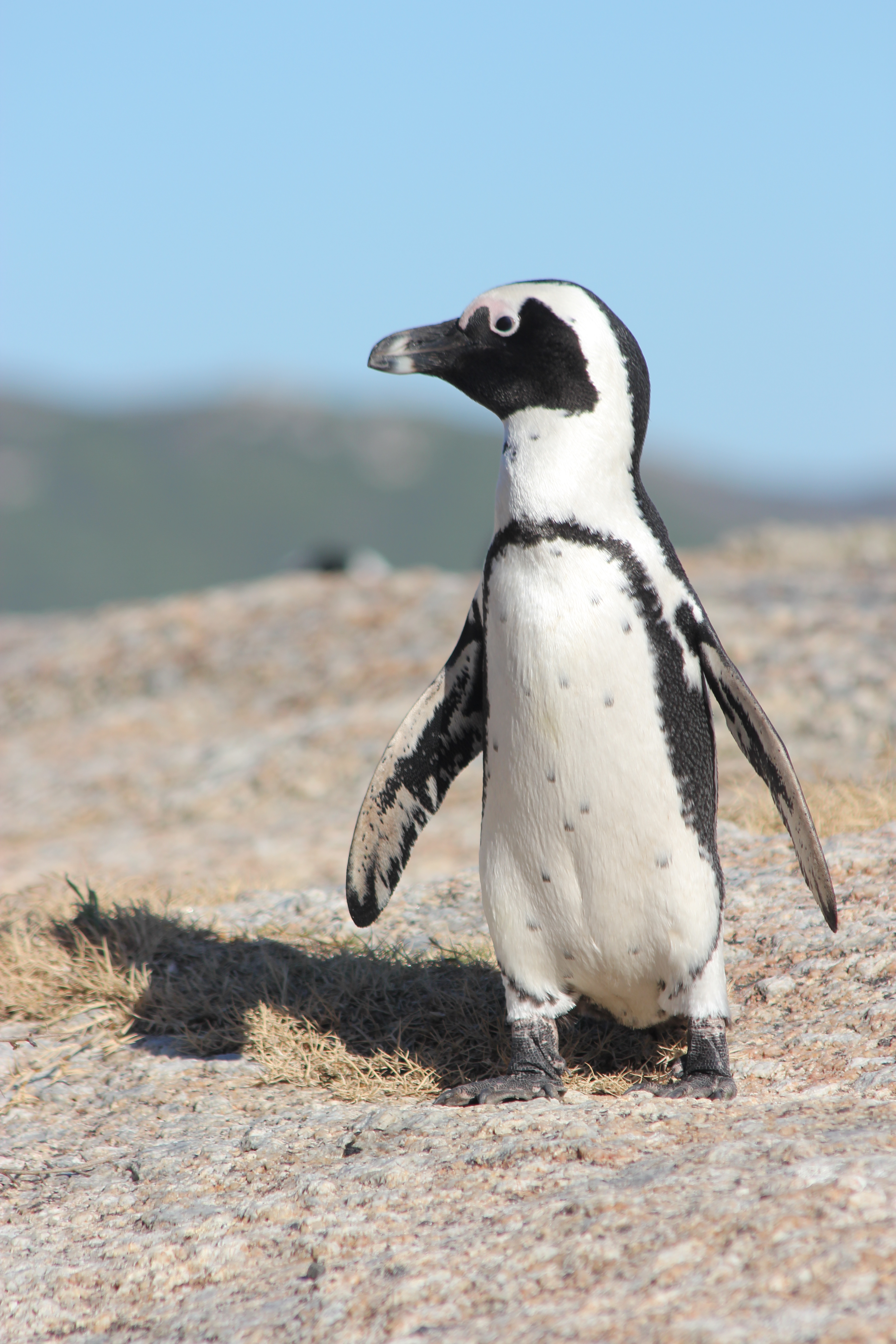
photo by Mara V. Connolly

Guest blog by Mara V. Connolly

During my recent trip to South Africa, we traveled to Cape Town where on the eastern side of Cape Peninsula lies the Boulders Penguin Colony, a part of the Table Mountain National Park system that includes Cape Point, the Cape of Good Hope, and Table Mountain.

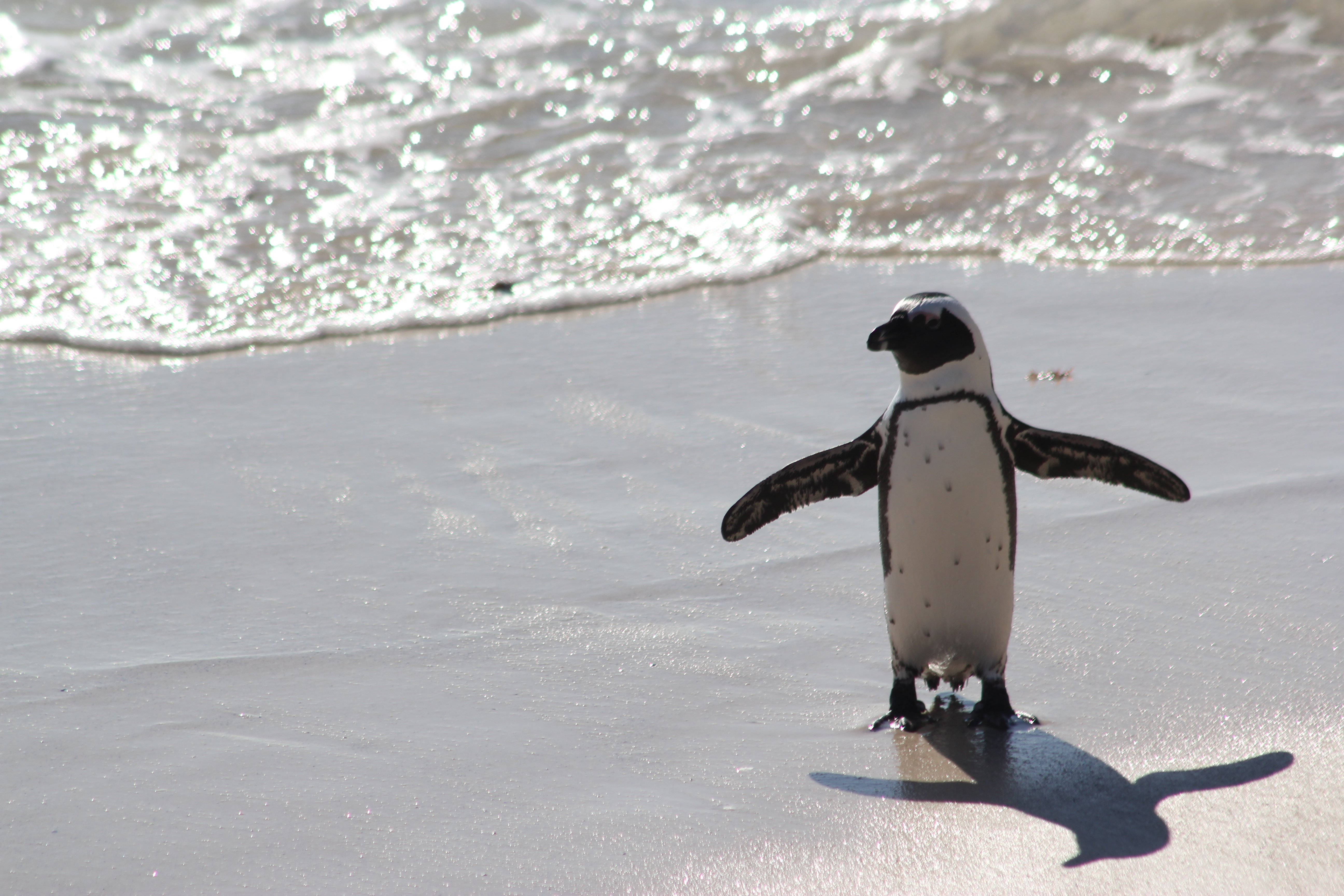
Boulders is home to a declining, and endangered rarity of land-based African Penguins, often called Jackass Penguins as they bray like donkeys.  The Boulders website stated that in the 50 years from 1956 to 2009 the worldwide population of African Penguin breeding pairs declined from 150,000 to 26,000;  an 80% decline over 50 years attributed to human interference from habitat destruction to oil spills. Boulders colony also declined from 3,900 birds in 2005 to only 2,100 in 2010.  (http://www.sanparks.org/parks/table_mountain/tourism/attractions.php#boulders)

Photo by Mara V. Connolly

photo by Mara V. Connolly

For 550 South African Rand (about $5.50 US at the time) you gain entrance to both Boulders Beach where you can lounge and swim amidst penguins who also appear to be vacationing from their colony a couple of beaches down the way, and the Boulders Penguin Colony itself that you view from boardwalks.

photo by Mara V. Connolly

We arrived just after the park opened at 7am to having the place all to ourselves.  We started at the colony and were amazed at the flurry of activity going on with hundreds of penguins and cormorants making a racket of noise.  The “braying” of the penguins had me in amazement because when I closed my eyes and listened, I envisioned a whole herd of donkeys, yet when I opened my eyes, a whole beach of tiny little penguins belting out ‘hee hawing’ is what confronted me!  Watching the penguins’ transition from beach to the ocean was awesome and mesmerizing.  They are go from being intensely awkward and limited on land to graceful and powerful instantly by tipping over and freeing themselves in the water.

Photo by Mara V. Connolly

After a thorough investigation of the colony we headed back to the beach which was now thoroughly crowded a short hour later.  Still, an incredible experience climbing over boulders to the outer beach area with curious penguins watching us as much as we were watching them.  Floating about in the frigid ocean with penguins gliding around you is an experience of a lifetime.

photo by Mara V. Connolly

Mara V. Connolly is a professional photographer, coach, facilitator, resume writer, and leader.  Her life purpose is to be radiant illumination igniting passionate possibilities. You can read more about her leadership adventure at http://maravconnolly.com.

Coo Coo for Penguins at Kelly Tarlton’s

Do you remember the ad, “Coo coo for Coco Puffs.” I could not help but think of that when I listened to my reaction to the penguin exhibit at Kelly Tarlton’s in Mission Bay, Auckland.

Maybe it was too many days of squinting to see penguins in the wild. Maybe it was the penguins’ joy in swimming. I was a little kid again.

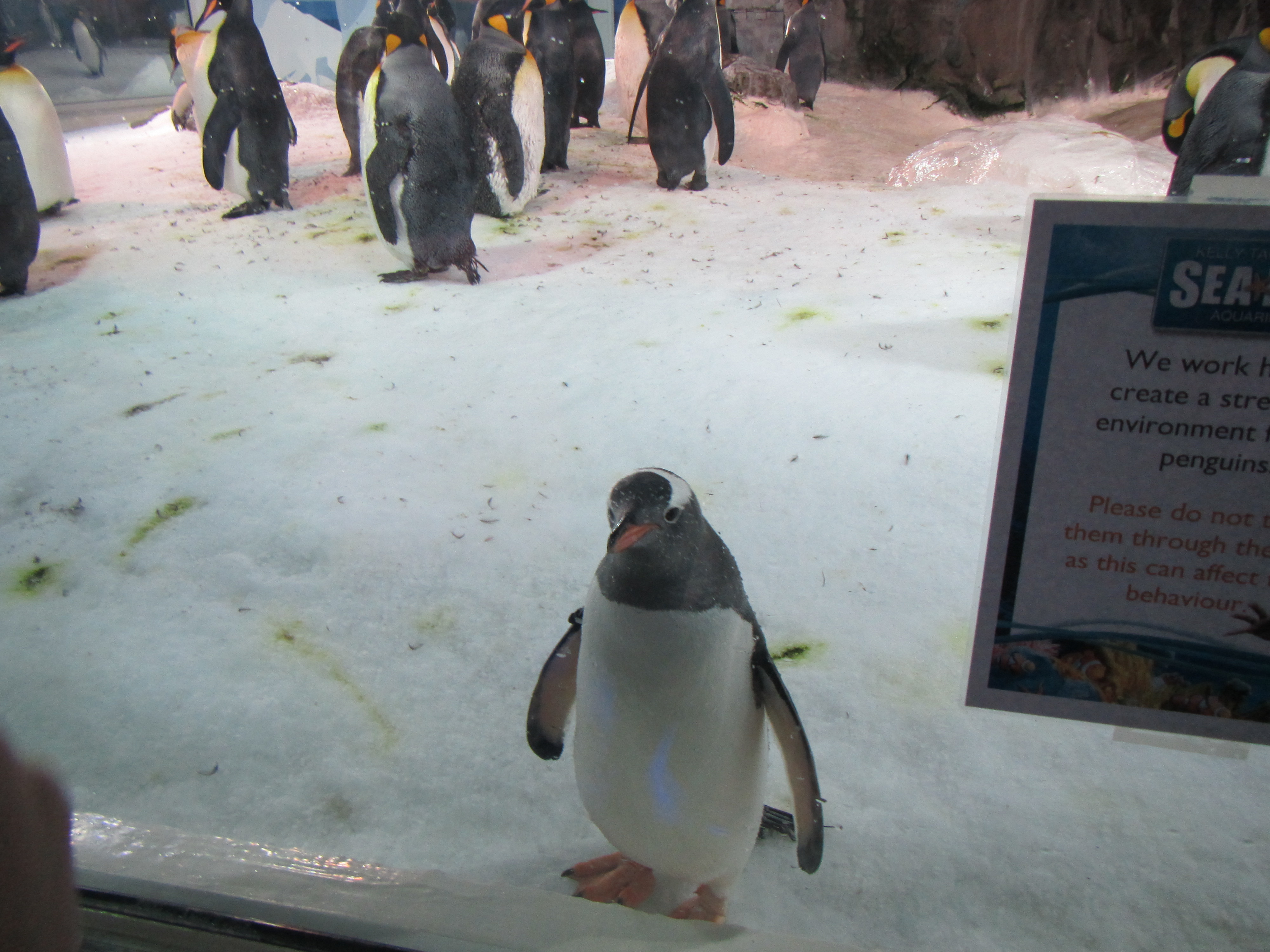
Our little friend interacts with us through glass

The five months I lived in St Heliers Bay I must have passed Kelly Tarlton’s Sealife Aquarium 5 times a week and I never visited. People gave me mixed signals. On the one hand, people were proud of Mr. Tarlton’s inventiveness and entrepreneurial spirit building a unique facility ahead of its time. On the other hand, people suggested it was a little cheesy.  And then there is the whole objection of zoos or aquariums in general keeping animals in captivity.

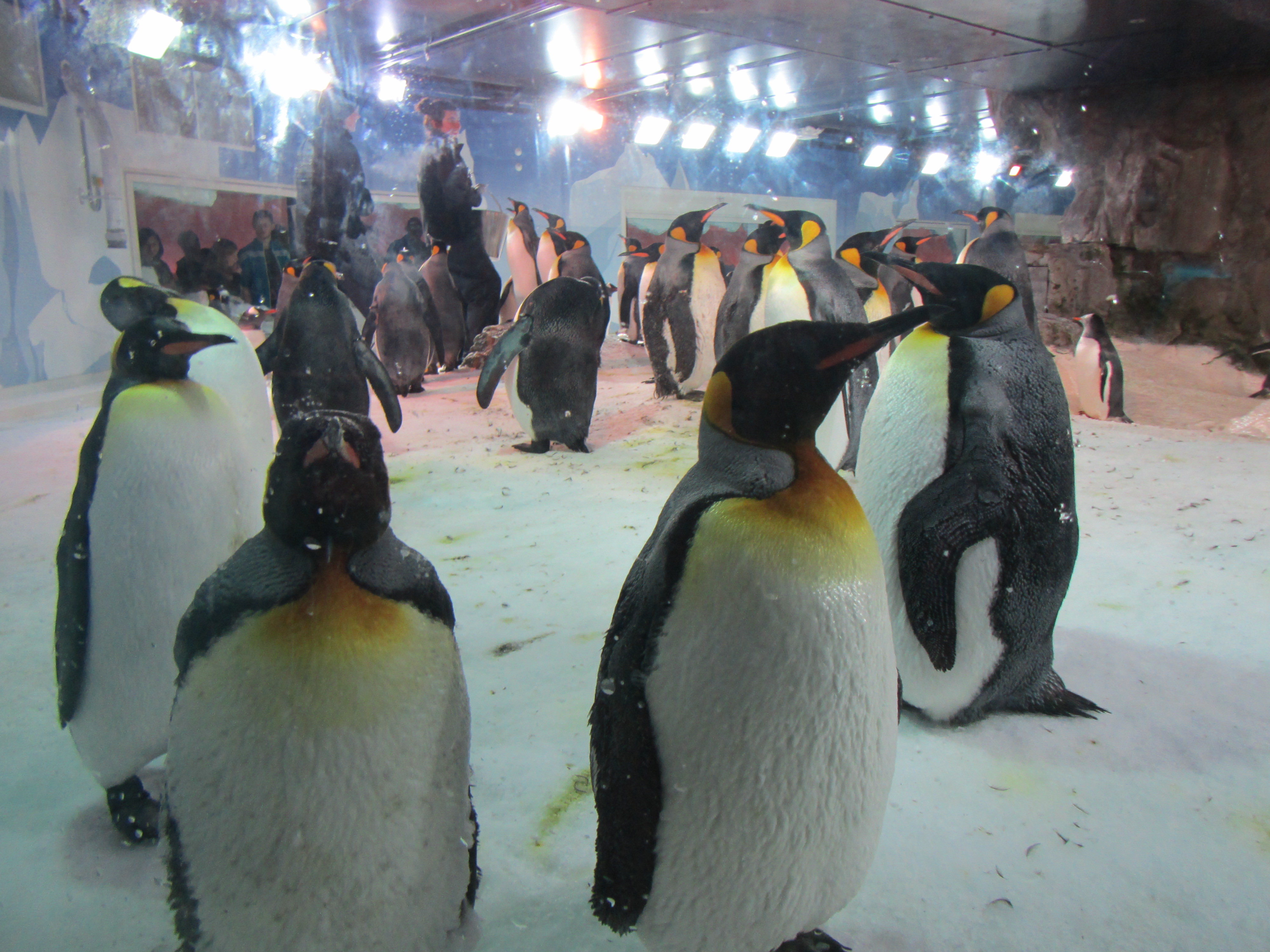
I enjoy a good zoo. Sometimes it is the only way we can observe species and appreciate the tremendous variety in creation. While I hope to get to Antarctica someday, it may be awhile before I can see gentoo and emperor penguins in their native habitat. What a thrill to observe them here.

The admission price is reasonable ($36 NZ per adult; discounts on-line and with coupons) and there is much more to see than my funny penguins.

Royal looking emperor penguins at Kelly Tarlton's
Royal looking emperor penguins at Kelly Tarlton’s

I met Diana at the entrance. She is studying in NZ on a scholarship and we were introduced through our mutual friend Deb. We bonded over this curious gentoo penguin who seemed genuinely interested in us. We giggled and ooohed and ahhhed through the rest of the aquarium exhibits, and lingered longest with the penguins.

There is a great deal of useful information offered in each exhibit, and plenty of interactive displays for those with short attention spans. You experience the main aquarium by either walking “through” it or riding the conveyor belt around–always surrounded by the aquarium. The sharks are menacing. (How is it that even those of us land-locked all of our life have an almost innate fear of sharks?)

We both were drawn to the stingrays. They are graceful and exude calm. Yet, like so many paradoxes in the sea, they still have the ability to seriously hurt or kill you.

There is a great tidal pool exhibit and a window where you can look out directly into the bay. The entire aquarium is like a giant optical illusion as it is built below the parking lot and you are below sea level the whole time.

It was a fun afternoon and anyone with an ounce of curiosity and a smidgeon of child’s heart will enjoy Kelly Tarlton’s.

Beautiful stingray swimming by at arms distance
Photo bomb! at tidepool.

Big Day Out on Tiri Tiri Matangi

Just saying the name of the island is a delight: Tiri Tiri Matangi. It is an inspiring example of intentional habitat restoration and a testament to the 100,000 volunteers who have transformed it from an over-grazed sheep ranch into native bush with a dozen rare NZ birds.

little blue penguin nesting box made of rock

I read about it some time ago and finally managed to carve out the entire day you need to ferry from Auckland to enjoy this wonderful bird sanctuary. The ferry only leaves the Auckland harbor once a day at 9:00 a.m. and returns by 5:00 p.m. The cost per adult is $66 and there is no additional charge to enter the wildlife reserve.

The ferry ride is comfortable depending on the weather, and I recommend, as in all outdoor NZ adventures, wearing layers and bringing a waterproof jacket. Volunteer guides sell maps of the island for $1 NZ and the money supports the restoration work. There are signposts on the island, but come on, you can give a $1 for a good cause and a better map!  The key to the success of the island as a bird sanctuary is the removal of all predators. It made me giggle to think of checking my backpack for mice, but seriously, I would not want to be the jerk who brought a pest onto the island. Similarly you’ll be asked to take every scrap of trash out with you and to bring your lunch in a plastic container as a further pest precaution.

Similarly, the volunteer guides will give you a walking tour for a $5 NZ donation to the restoration work. This is a bargain as they are very knowledgeable and passionate. Your group leader is randomly assigned (you can stay with your people) and the group selects what level of walk you want (and how long). Be aware, that in spite of the many, many hours of volunteer service to improve the trails, they are still very steep in places.  If you have mobility challenges, there is a paved road that goes to the lighthouse and visitor center. Also, it should go without saying to wear appropriate shoes, yet one woman had shoes that “couldn’t get muddy.”

View the penguins through the hatch window; unless there is a sign saying "do not disturb"
View the penguins through the hatch window; unless there is a sign saying “do not disturb”

Almost as soon as we left the dock and headed down the trail we came to the little blue penguin nests. One of the advantages of the reserve is that it provides ample opportunity for scientific study only a 75 minute ferry ride from the largest NZ city. I learned about the island from guidebooks and from reading Jacqueline Geurts’ book, The Ecology of Little Blue Penguins. She did her research on Tiri. We were able to see a blue penguin at rest by lifting the hatch.

We continued on the hike and listened to the songs of various rare and endangered New Zealand birds. The restored bush was also lovely and it is outgrowing its “planted look”.  The volunteers have set up various viewing experiences to better show off bird behavior, such as the tui feeding station near the visitor’s center. I am not an avid birder and even I caught the enthusiasm of our guides and strained to hear and see birds. Binoculars are a terrific idea.

Our guide Trish did a super job of explaining the history of Tiri. This video clip explains it best.

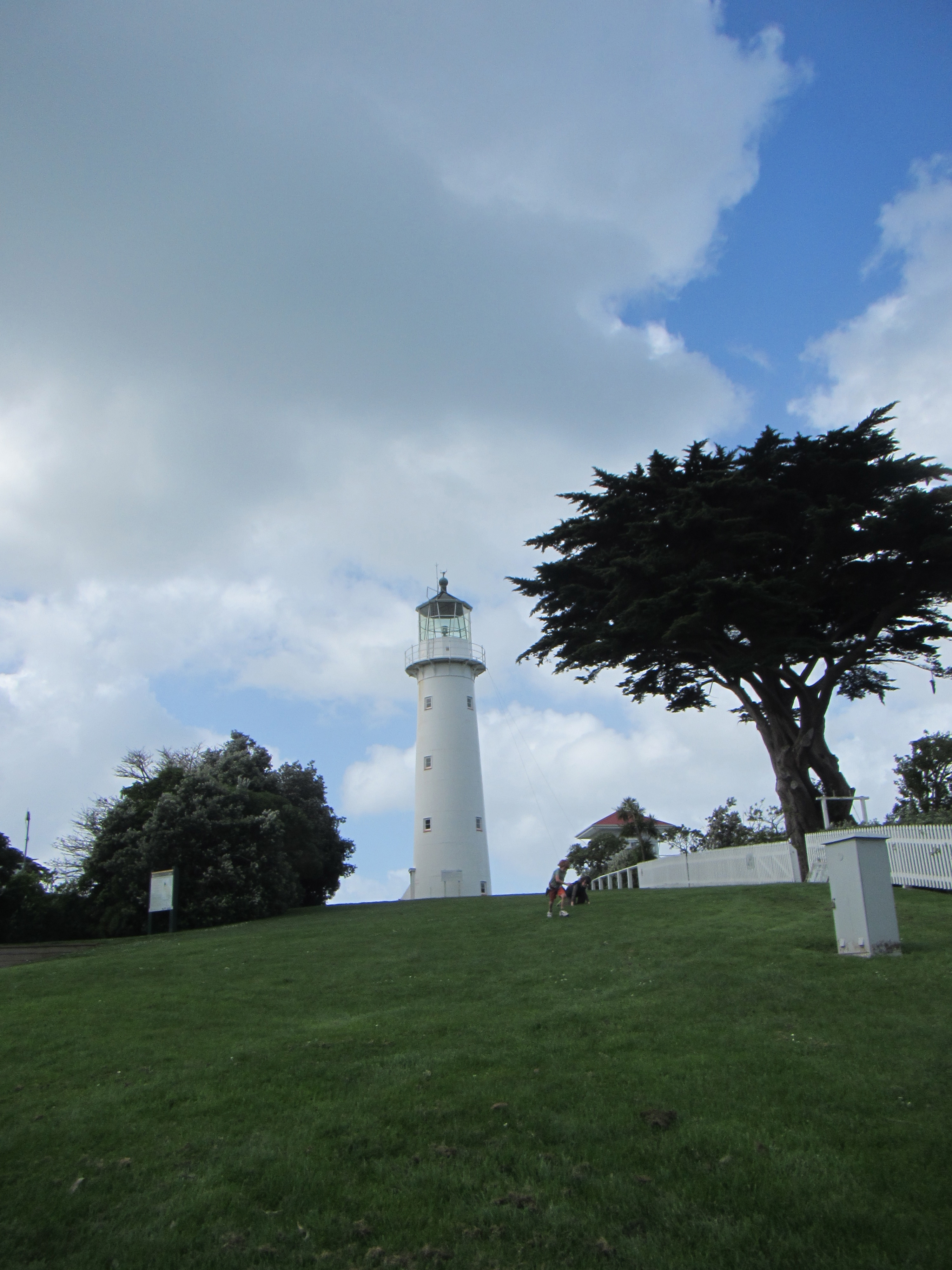
We finished our guided walk at the lighthouse and visitor center. There is free coffee and tea at the visitor center and picnic benches both indoor and out. By this time we had hiked a couple of hours and the wind had really kicked it up a couple of notches.

Top of Tiri Tiri Matangi is the automated lighthouse

There is a gift shop and I did make some “additional donations” to the restoration effort. A kind volunteer put my name on my shopping bag and brought it to the boat launch at the end of the day (like duty free without the alcohol).

There is something so soothing and lovely about a walk in the bush. The best way to experience is through photos.

I love the tui bird so I was thrilled to see so many at once!
Very, very old Pohutukawa tree near beach on Tiri
Ponga tree fern; the symbol of New Zealand

Rafts of Blue Penguins

In my pre-trip planning I experienced some frustrations in trying to line up penguin experiences. The Otago Peninsula in

Royal Albatross Centre at end of Otago Peninsula

Dunedin is one of the few places in New Zealand guide books where penguin experiences are specifically called out, so I was a bit mystified that it was such a challenge to arrange. I was not able to arrange a yellow-eyed penguin tour so I signed up for Blue Penguins Pukekura at the Royal Albatross Centre.

The drive on the Otago Peninsula Low Road was an adventure. Even though I had a firm grip on the wheel part of me had to smile at the “at your own risk” road. Not a great place to be in a storm unless you have a life jacket in the car. Also, stay sober! Driving all the way to the end to the Royal Albatross Centre is worth it.  The Centre is interesting and I recommend arriving an hour before sunset so you can watch the albatross arrive to their roosting area for the night. (There is also a cafe to grab a bite to eat or hot drink).

This particular evening the blue penguin viewing started at 6:30 p.m.  Thumbs up for the jackets provided as an extra barrier against the cold and for the Maori welcome.  The stairs are also well lit to the platform at the bottom of a gentle beach along the harbor.  Unfortunately, this is not a wheelchair accessible experience.

Landing beach for little blue penguin rafts

The sandy beach was easily visible from the viewing platform and we only had to wait a short while before the first raft of penguins arrived.  Because of the gentle approach, the penguins could assemble in the bay and arrived on shore together. About 100 yards off shore we could see their dark shape and the thrashing water signal their approach. Nothing however prepared me for their burst on to shore and sprint to the grassy area about 15 yards beyond the surf.  It was so charming and funny. They are adorable. Again flash photography is prohibited.

Everyone was in a super good mood by the time we started the steep climb up the hill. We handed our jackets over and began the “fun” drive back the coast road. It was actually not as worrisome as I expected.

The next day I serendipitously discovered the office of the Yellow-Eyed Penguin Trust on Lower Stuart Street.  They are celebrating their 25th anniversary of restoring habitat, funding research, and promoting penguin appreciation and education.  I have seen other communities celebrate an individual (Rio Vista humpback whale Humphrey, Dingle dolphin, and of course the Loch Ness monster!), yet I found it sweet how Dunedin and the Otago region embraced their special stewardship of the yellow-eyed penguin.

Yellow-eyed penguins celebrated in Dunedin