Several friends, when they heard I was visiting Melbourne, urged me to check out the Great Ocean Road. My usual approach is to rent a car and go it alone. Then I noticed on Trip Advisor that there are a number of tour providers. It appealed to me because to really enjoy a coastal road it is helpful if you do not have to keep your eyes on the road.
The awesome part of being a tour group member in a country where they drive on the left: if you grab the shotgun seat you have a beautiful view of the coastline! This road was developed by boosters of tourism after the Great War and employed mainly returning soldiers, fondly called Diggers for their role in digging the trenches. Even today Australian soldiers are sometimes called diggers.
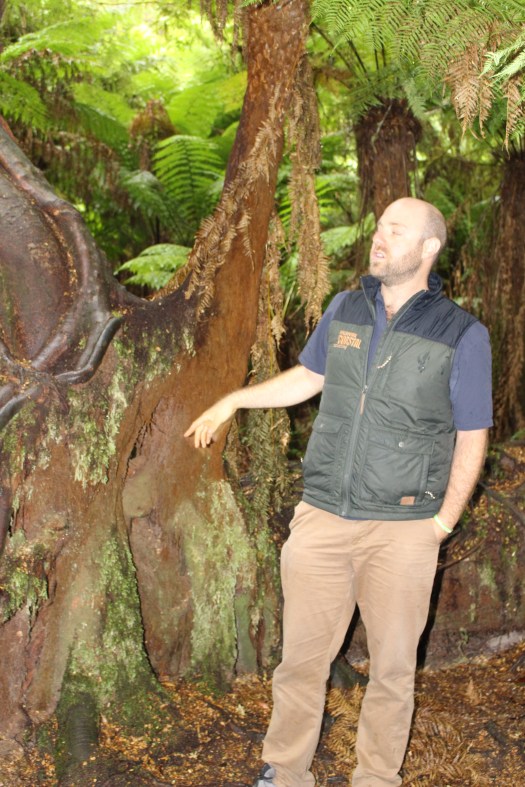
1. I chose Melbourne Coastal Tours. For a reasonable $130 AUS the company picks you up at your hotel and gives you a full day and then delivers you at a location you request in the central business district (most of our group wanted to be dropped at a restaurant not their hotel). Our tour guide Daryl was excellent and I learned a lot more about Australia’s history and geology than I would have on my own. It is also more fun to explore with other people.
2. We made frequent stops throughout the day. The first stop for bathrooms and morning tea at a small town on a protected ocean inlet was about 1.5 hours in. After that we stopped about every 30 minutes until we were on our way back to Melbourne. It allowed us to see wildlife, rainforest, and coastal beauty and enjoy shopping, a delicious lunch at La Bimba and hiking. It was a full day!
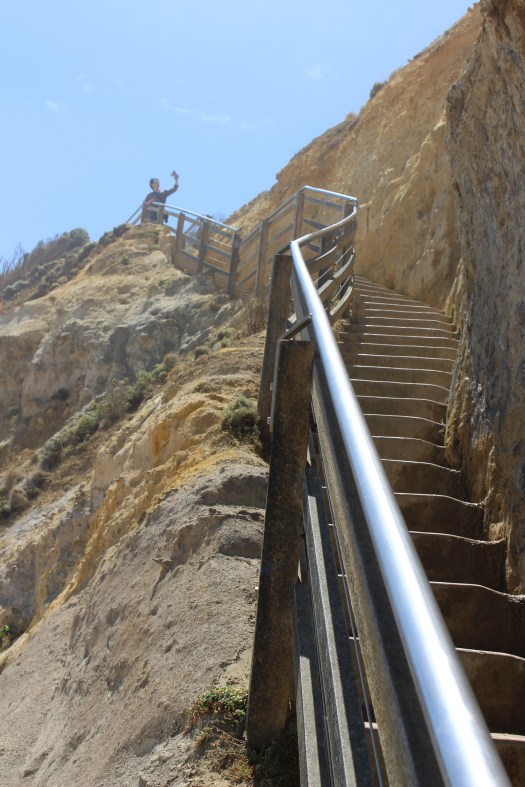
3. The breathtaking beauty is worth the investment of time. Although if you have difficulty climbing steps, your access to the beaches and some of the other stops will be limited.
Melbourne Coastal Tours also does penguin viewing tours of Phillip Island.
Famous surf beach on Phillip Island is one of many reasons to make the trek to Australia.
Melbourne in Victoria Australia is a terrific destination for a vacation. A lot of people avoid travelling to New Zealand and Australia because they think it is too far to fly. From San Francisco or Los Angeles it is about 12 hours (depending on the wind) to Auckland. For people on the West coast it is equivalent to flying to Europe. I have made the trip over a dozen times now in one direction or another. This time I mentally prepared to continue on to Melbourne–another 4.5 hour flight. (There are direct 14 hour flights from LAX to Melbourne on other airlines.)
On both legs the Air New Zealand plane was their new style with seats in Economy that have these foot rests that if you have control of the entire row you can create a bed. It does not do you much good if you are flying with a bickering married couple from Oak Park, Illinois like I did. I smiled as I imagined the three of us stretching out on “bench.” However, great if traveling with children.
I had done some reading about avoiding jet lag and I tried a few new ideas. First I ate dinner at 7 in the airport (a few slices of wood-fire pizza). I avoided alcohol both pre-flight and en route. I declined the dinner and took a couple of Advil PM. I slept really well–at least 8 hours. Then I ate lightly until I arrived in Melbourne.
I was tired when we landed in Auckland and would have loved a shower. Instead I drank a flat white. I stayed awake all day both to speed getting on the right time zone and because there were penguins to see and friends to enjoy. I slept soundly and I woke up around 3 a.m. The key is to not panic or stress when you awake off schedule. Just as we can go without eating for longer periods than we often think possible–we can function for a few days with less sleep as we adjust.
On the way home I ate a light lunch and then declined a big dinner. I drank some hot tea and ate the cheese and crackers offered. I lucked out and had the row to myself, so I got to try the new “couch” in economy. It works quite well and would have been even more restful if the cabin lighting had not malfunctioned. They could not be dimmed. I still managed to get 4 or 5 hours of sleep. I watched quite a few films–watch The Dressmaker if you can.
I arrived in Sacramento by noon. I stayed up until 8 p.m. It was easy to go to sleep because it was already dark. I slept straight through until my alarm went off. I felt great today.
I enjoyed my recent visit to Melbourne. I was able to spend a lot of time with locals and what I suspected was confirmed by my tour guide Daryl–Melbourne is sports mad. In a country whose main religion is sport, this is the mecca or the Jerusalem.
They have the premier horse race of the year: the Melbourne Cup. They invented Australian Rules Football and started the national league. They also host the Australian Open tennis tournament. It is as if New York City, Dallas and Kentucky were all rolled into one.
The 2016 tennis tournament began just as I arrived and it concluded last night. There was a big upset. Serena Williams rolled over everyone she played except one. Angelique Kerber played superbly and never lost her courage. Good on her! Serena was very gracious in defeat.
Just a funny story or two to illustrate how sports influence Aussies. We were traveling on the Great Ocean Road and we kept spotting these big black and white birds. Daryl, our tour guide, told us they are magpies. Then he added, “I hate magpies.” I asked why (since I love Sacramento’s yellow-billed magpies). He explained that the Collingwood football team mascot is the magpies and that the fans from Collingwood (a neighborhood in Melbourne) are “quite feral.”
Melbourne has 11 teams just in their city alone and regularly fill the stadiums. But then they only charge about $45 a ticket. The last time I heard of someone going to a San Francisco 49ers football game the seats were $250 each.
Daryl also told us the story behind the saying “Buckley’s chance.” It implies that the odds are long. William Buckley was a convict who unknowingly bought some stolen goods in England for which he was tried and sentenced to deportation to a new penal colony in Melbourne. The land was inhospitable and the penal colony was not surviving. The leader in charge decided to move everyone to what we now know is Tasmania, but he did not explain this to any of the convicts. So Buckley thought he was being shipped back to England. He was not having any of that, so he and two other men jumped overboard and swam ashore. The jailors decided not to go after them since they were unlikely to survive.
The three men made it ashore and scrabbled around trying to find enough to eat for a few weeks. The two other men decided to set off for Sydney and were never heard of again. Buckley was a tall man–6’4″ and he must of been strapping. He continued to make a go of it on his own. Some time later he met his first aboriginal people. They had just lost their elder who was also a really tall man. So at first they thought Buckley, with his very pale skin, was his spirit. It was all sorted eventually and they taught Buckley to survive. I cannot remember now how well he eventually did, just that he lived long enough to be immortalized with the slang, “You don’t have a Buckley’s chance..”
Some might have said that Angelique Kerber did not have a Buckley’s chance. But now you know the story and you know that Buckley’s luck was both bad and good. And that like Buckley, Kerber made the most of her luck and came out on top.
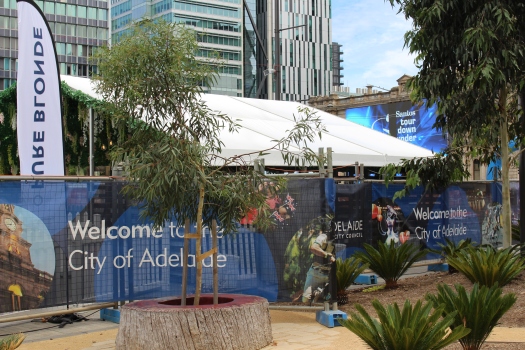
City of Adelaide goes all out to welcome UCI cycling event Santos Tour Down Under and its fans.
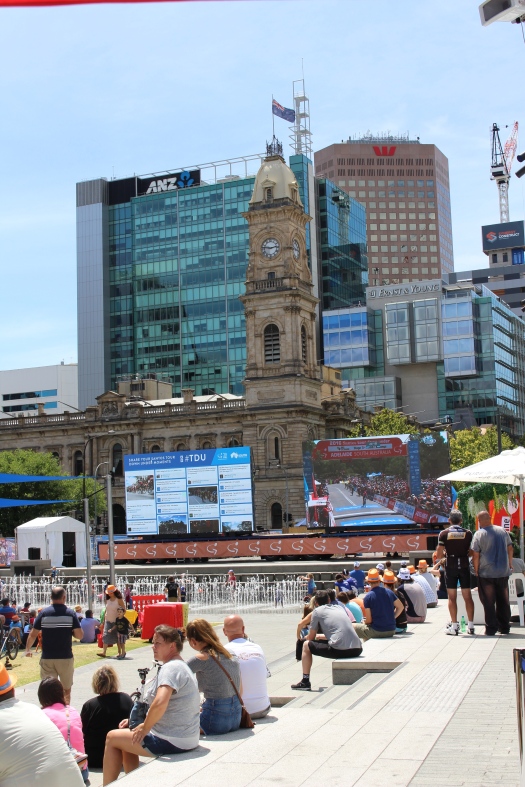
When I was following the Tour de France in 2014, the Aussies I met encouraged me to come down for the Tour Down Under. The City of Adelaide really commits to making the Tour Down Under a success. Victoria Square is completely dedicated to the 6 stage race with a festival open to the public (free access) all week. It is right on the streetcar line and just across the street from the Adelaide Hilton, headquarters for the Tour Down Under race management, all of the cycling teams, and many fans.
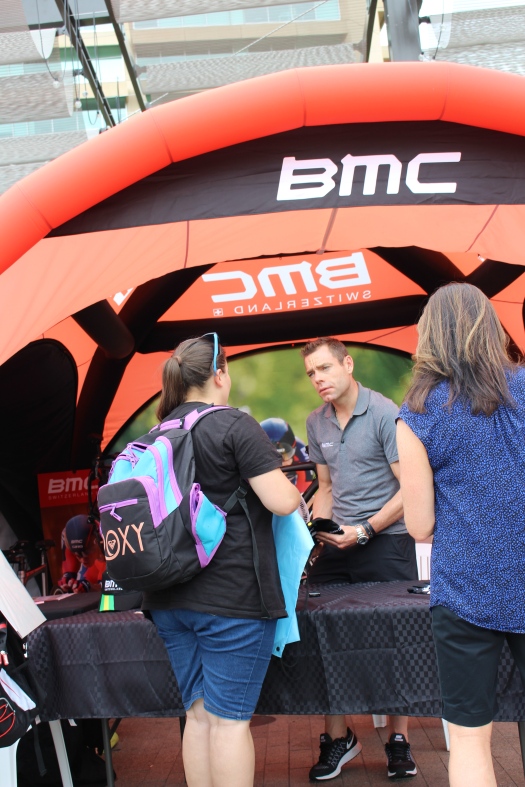
Cadel Evans, Tour de France champion, now retired, is Australia’s most successful cyclist and a huge favorite with fans.
While the race starts and stops all over South Australia, it returns every night to the Victoria Square to turn over bikes to mechanics set up in a main tent. Thus there is a routine for cyclists and fans that makes the race easier to watch (and probably to ride).
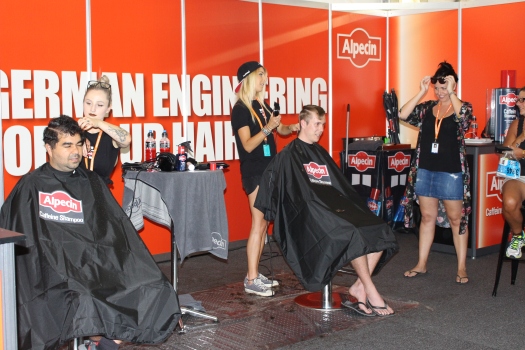
Free haircuts for gents in the Village by one of the sponsors. I do not understand: caffeine shampoo by Alpecin.
There is Willunga Hill, but South Australia does not have Alps or big mountains, so the race favors sprinters. It is also a great race for tuning up your legs and fitness as teams enter the new season after 2 months “off”.
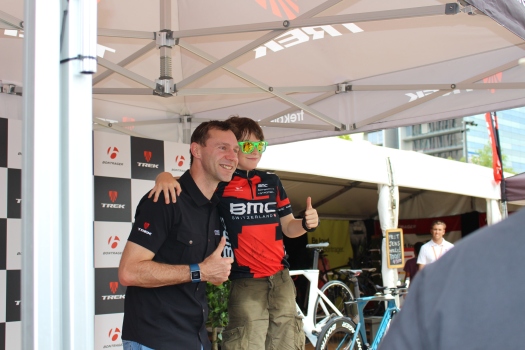
Jens Voigt signing autographs and posing for photos with fans at the Trek booth.
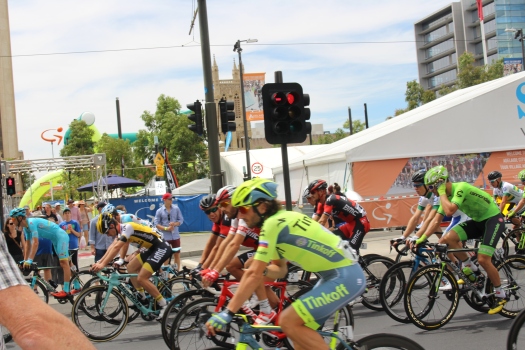
This is a UCI sponsored event so it draws the main European teams, but a mixed bag of headliner riders and domestiques. Just as the Tour of California attracts all of the American riders, this race draws all of the Australian cyclists.
View the race from Victoria Square on the big screens.
When I arrived on Thursday, Stage 3 was taking place outside of town. I had to wait to check in so I stowed my bags and headed downtown to find a bookstore. I got distracted and returned to the hotel just in time to watch Simon Gerrans (Orica Greenedge) nip Rohan Dennis (BMC) at the finish line. The bonus points extended Gerran’s lead. He was heading towards his 4th win (nonconsecutive).
I met up with my Tour de France friend from Perth for dinner. He and his cycling club spent the week cycling out to the race course. They were having an absolute ball riding, watching the race and having a few beers. They were not the only bike club, every day the festival area and the race course were awash in Aussie cycling clubs, including Greg’s club the Eaton Dogs from Bunbury, Western Australia.
Cyclists ride to the start of Stage 6. The final stage is 20 circuits through the Adelaides CBD.
The next day I spent about 18 hours going to Kangaroo Island for a wildlife safari. Fortunately I caught the tail end of the highlight television broadcast. Simon Gerrans won his second stage win and solidified his lead.
I was tuckered out from the big day out on Kangaroo Island and thought I would just watch the race and call it a day. So I bought a wood-oven pizza in the village and found a seat to watch the last hour of the Queen Stage on the big screen. Tassie rider Richie Porte (BMC) won the biggest climbing stage for the third straight year. He wrote his name on Willunga Hill–no one could beat him, not even the Columbian climber Sergio Luis Henao winner of the King of the Mountain jersey, could catch him.
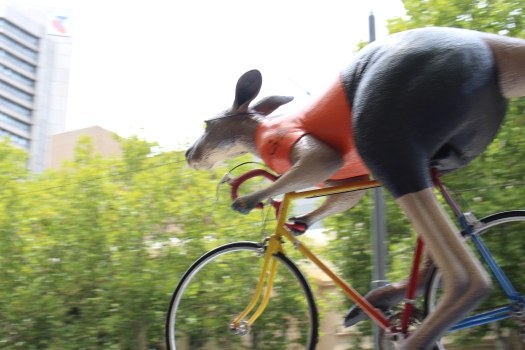
My candidate for a new logo!
The final day was a 20 lap circuit through the central business district. Because it was only 90 km it started at 1:30 instead of 11ish. This allowed me to relax and enjoy some time to read before slathering on the sunscreen and heading out. I checked out the course on King William Street just as the peloton was headed to the start. I realized that while it would be thrilling to find a shady spot on the street, I would only be able to see them go by 20 times and I would not see the finish. I opted for the village again at Victoria Square. The big screen projection screens allowed me to watch the televised version of the race.
Phil Liggett and Paul Sherwen announce the race with assists from Robbie McEwan and Jens Voigt. On Australian television they show about 10 minutes of racing and then 10 minutes of advertising. It is a bit frustrating. Still, it was great to see the entire race, including the sprint finish with Caleb Ewan (Orica) beating Mark Renshaw (Dimension Data) by a comfortable margin.
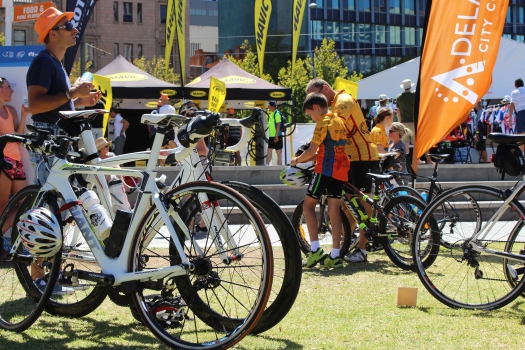
Lots of people rode their bikes to watch the race. Cycling clubs from around Australia made this a club outing for the entire week.
The overall race was won by Simon Gerrans, though this was never in danger. Team Orica controlled the race and Richie Porte, who moved into second place with his win on Willunga Hill, was quoted as saying, “I cannot sprint out of sight on a dark night.”
Adelaide is a smaller city and very walkable. I loved staying at the Hilton, but there are lots of hotels to choose from at different price points. The CBD is a $20 cab ride from the airport. Buy bus tickets to get out to the racecourse, or ride your bike. Or focus on downtown Adelaide like I did and enjoy the village and the rest of the city. There are VIP tickets for better viewing spots with grandstand seating and better access to alcohol. One of the most endearing aspects of the Tour Down Under was the easy access to so much of the race and amenities without having to buy expensive access. I was able to meet Jens Voigt and Cadel Evans at events in the festival village. I could have easily collected signatures by handing out in the mechanics tent.
The weather was sometimes broiling or hot and humid. Yet I would say this was well worth the time and expense to get to Adelaide to see the Tour Down Under. Well done everyone!
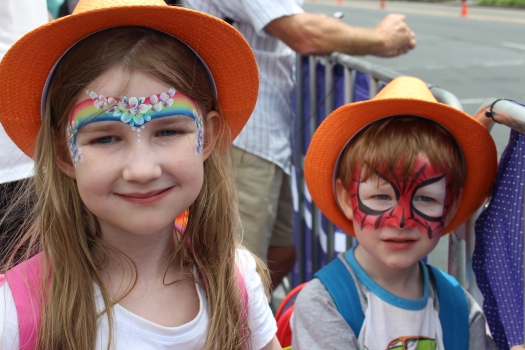
Stage 6 was family day and these kids got their faces painted in the village.
We arrived just in time to see the “Spirits of the Sky” bird show.
There are more than five awesome Australian animals or birds. The continent broke off from Gondwanaland way before any others so some pretty weird evolution occurred that is unlike anywhere else in the world. I was able to see all 5 at the Healesville Sanctuary outside of Melbourne.
Exhibit A: the Platypus. Sometimes called the duckbilled platypus, but that is redundant. There is not another kind of platypus. This may be my favorite animal in Australia. (All five of these are contenders.) I saw the wee platypus climb out of the water and into her den–alas no photo. I did buy a terrific hand puppet in the gift shop.
The Wombat. It was a hot day and so the wombat was snoozing under a log. They are so darn adorable. There is a photo of one in the newspaper and you just want to give it a squeeze.
Koalas. They have to be on the list, of course. They are fascinating; however, they are also sloth-like and hang out high in trees so there is not as much interaction. And you want to cuddle them until you see their amazing claws.
Surprise: Wedge-tail Eagle. Did not know about them until the Spirit of the Sky show. Wow. They are HUGE. And awesome.
Wedge-Tailed Eagle are magnificent birds.
Surprise: Dingo. Maybe I am missing Lulu and Dozer (dogs at home). We caught the keeper presentation on the dingo and watched her interact with the two in the closest enclosure. I was reminded of my beloved Radar and yet there is that wildness that is also fascinating.
What does not make my top five? The Tasmanian Devil fell out, in part because they are not very bright and can be vicious. The kangaroo because, except for the joeys that are A-Dor-A-Ble, they are kind of like really big rats and as common as deer. The Little Penguin I associate with New Zealand as well.
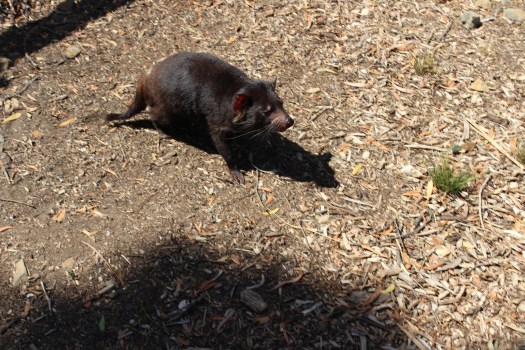
The Tasmanian Devil is bigger than expected and solid like a badger.
My friend Sandy’s favorite animal is the echidna. I did not see one until I was on Kangaroo Island and I have to admit they deserve adoration–not sure what animal or bird they’d knock out of the top 5. What is your favorite?
The Phillip Island ticket we bought for the Penguin Parade gave us access to the Koala Conservation Centre within 6 months of purchase. We ate a yummy breakfast at Bean’d Eatery in San Remo and then drove across the bridge and to the middle of the island where a grove of gum trees is home to koalas both inside and outside of a sanctuary.
The sanctuary has older, larger koalas sleeping the day away in eucalyptus trees along a raised boardwalk. This allows you to see them a few yards away, and yet give them the respectful distance that a wild animal deserves. The centre is different than a traditional zoo because the design feels more like it is about containing the human visitors than containing the koalas.
Koalas are tree-hugging marsupials: their young is born, climbs into their pouch and nurses for months, then the “joey” climbs out and rides on Mum’s back or front.
All day there was interpretive signage that communicated the threat to many of Australia’s iconic animals. The main extinction threat appears to be loss of habitat. And then, perhaps to limit overpopulation, some koalas have chlamydia, and some Tasmanian Devils develop cancer of the jaw, and so on.
I saw koalas in several more locations and each time the koala was chilling in a tree. Sadly when there is a bush fire of gum trees, it often consumes koalas who do not move fast enough away from an oncoming fire.
The koala looks so soft and cuddly and yet these nocturnal creatures are not. The males especially can make a racket at night.
The Penguin Experience begins at the visitor’s centre.
Today (and by this I mean the full 24 hour period known as January 20 in Australia and the United States) is Penguin Awareness Day. The timing of my trip was planned to coincide with the Tour Down Under in Adelaide. My stop in Melbourne was motivated in large part by the Penguin Parade experience on Phillip Island.
I was fortunate that my friend Sandy had some time off from work and enthusiastically purchased tickets ($24 AU for just penguins; $47.20 AU per adult for package that includes the Koala Experience and other activities on the island). Her sister Colleen and husband Pete own the San Remo Hotel and Bar, referred to as the pub. Her gracious sister provided us dinner at the pub and let us sleep over at her house. This was hugely helpful because the penguins do not waddle home until dusk and in summer (January) this is around 9:15 p.m. A delicious dinner in San Remo is also convenient if you are traveling on your own.
The Penguin Parade was very well organized and staffed. As a result, while we could not see the penguins up close when they landed on the beach, we could see them very up close as they waddled up the hill to their nests. We witnessed more than one penguin being mobbed by his/her young with them competing to receive regurgitated fish. Everything was designed to minimize disturbance to the Little Blue Penguins while still providing a terrific experience to about 500 people. They call them Fairy Penguins or Little Penguins in Australia, but they are the same delightful type of penguin I have observed in New Zealand.
If you are in Melbourne and you need someone to organize transportation and tickets, then I highly recommend Melbourne Coastal Tours. Especially if you cannot stay locally to Phillip Island–best to let someone else drive you back to the city at night.
There are no pictures allowed at the Penguin Parade because the flash would scare the penguins. So instead, check out this “burrow camera” from the Phillip Island Nature Parks. http://www.penguins.org.au/attractions/penguin-parade/penguin-burrow-camera/
I am a fan of Air New Zealand so when I booked my flights to Melbourne and Adelaide Australia I choose them again. I flew Southwest to Los Angeles International Airport to save money and car parking hassle.Everything went smoothly. I was in the Tom Bradley International Terminal awaiting boarding and I finally started to get excited about my planned vacation.
Air New Zealand is known for its creative air safety videos. They often amuse and passengers actually watch the safety announcement. On this flight the new video. I was delighted to see their latest video featured many famous surfers and the overall impact was to put me in the right mood for this vacation.
I needed to transition to full frontal summer temperatures and to a more hang loose attitude. This video really gave me a push to chillax.
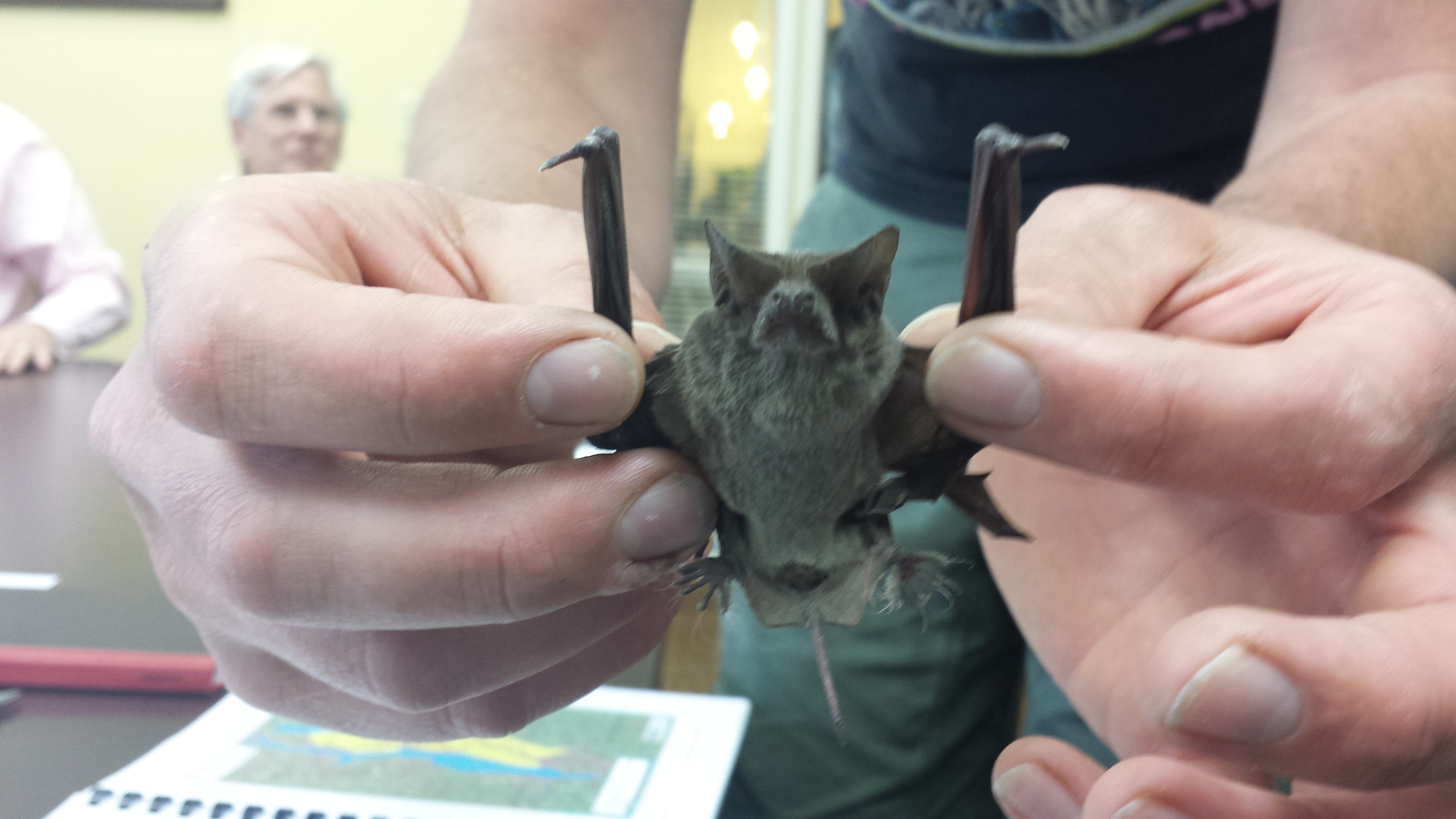
In an Aboriginal tale the bat Narahdarn releases death into the world.
I love reading mysteries and I love reading travel books. This month I moved my household and I seriously pruned the contents of my bookshelves. I also found a couple of books that I forgot I had bought to read. One is Jo Nesbo’s The Bat. It is the first of his Harry Hole mysteries. Interestingly, his books are not mentioned in Nancy Pearl’s Book Lust to Go. But is was mentioned on a page of Oslo tidbits in National Geographic Traveler.
Harry Hole is a police detective in Oslo, but this first murder mystery is set in Sydney, Australia. Besides being an entertaining mystery novel, it is making me want to visit Sydney.
Especially in chapter 24, when Harry and his Swedish girlfriend go to the SEA LIFE Sydney Aquarium at night. I want to have my own experience after reading this excerpt:
“They descended a staircase that wound down to one of the big tanks.
“The tanks aren’t actually aquariums in the true sense of the word, they’ve just enclosed a part of the Sydney Harbour.” Brigitta said as they entered.
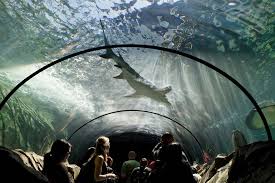
From the ceiling a greenish light fell over them in undulating stripes and made Harry feel as if he were standing on a mirrorball. It was only when Birgitta pointed the torch upward that he saw they were surrounded by water on all sides. They were standing in a glass tunnel under the sea, and the light was coming from outside, filtered through the water. A huge shadow glided past them, and he instinctively recoiled.
“Mobulidae,” she said. “Devil rays.”
You will have to read for yourself about his encounter with a great white shark.

 Several friends, when they heard I was visiting Melbourne, urged me to check out the Great Ocean Road. My usual approach is to rent a car and go it alone. Then I noticed on Trip Advisor that there are a number of tour providers. It appealed to me because to really enjoy a coastal road it is helpful if you do not have to keep your eyes on the road.
 Melbourne Coastal Tours also does penguin viewing tours of Phillip Island.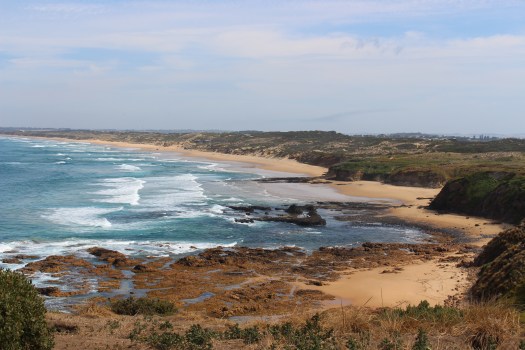


 The Phillip Island ticket we bought for the Penguin Parade gave us access to the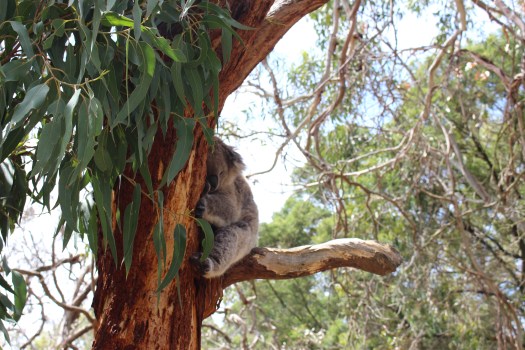
 americanjulie.com