3 New Zealand Cathedrals

img_0750
Largest expanse of stain glass in Southern Hemisphere is in Auckland’s cathedral; designed by Nigel Brown

No one associates cathedrals with the new world. If you go to Europe you reserve time to see Notre Dame in Paris or St Paul’s in London. I am one of those odd people who checks out a cathedral while in New Zealand.

New Zealand has been inhabited by people for the shortest time of anywhere in the world. And for much of that time the Maori built fort like structures, but no cathedrals. Not until Europeans arrived with their ideas of suitable places to worship, and then every New Zealand city worth its salt needed a cathedral (or two as often the Roman Catholics followed suit).
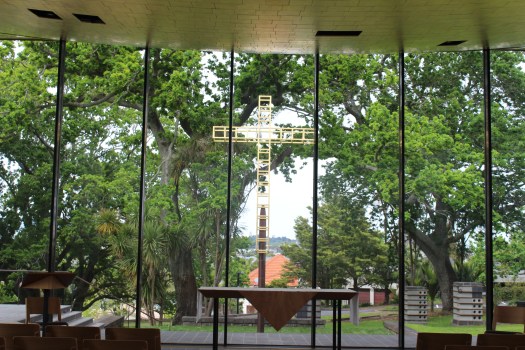
img_0754
Holy Trinity’s newest chapel

On this trip I have seen three Anglican cathedrals so far: Holy Trinity in Auckland, the temporary cathedral in Christchurch, and St John’s Cathedral in Napier. The history of New Zealand and the Anglican church are intertwined in the life of Bishop Selwyn. His portrait is generally found in each cathedral–unless they’ve been destroyed by earthquake.

The cathedral in Christchurch was recently felled by the February 2011 earthquake, but the Napier cathedral was also destroyed by an earthquake and fire in 1931. Unfortunately the quake struck while holy communion was in progress. As it states in the display at the back of the cathedral, “One parishioner, Edith Barry, (Mrs. T. Barry) was pinned beneath the falling beams and when she could not be extricated and fire began to rage through the stricken city she had to be given a merciful injection of morphine by Dr. G.E. Waterworth.” (Who said visiting churches is dull?)

St John’s Cathedral in Napier was rebuilt in the 1970s. It is very conducive to worship and has some lovely stain glass. It is not as grand as the cathedral in Christchurch was before it was damaged in 2010 and destroyed in 2011.  Sunday services are held at 8:00 and 10:00 a.m. I attended the later service and can vouch for the very talented choir.


We arrived in Christchurch just in time to attend the evensong service at the transitional cathedral, or Cardboard Cathedral at 4:30 p.m. The boys’ choir sang beautifully and the service was a blessed reminder that while the earth may heave, there is still some continuity and community that remains. The cathedral is constructed out of specially treated cardboard–hence the nickname “cardboard cathedral”. It was only meant to last five years and it has already been four. It will need to last much longer it seems as no one can resolve a way forward with some wanting to rebuild the former cathedral and others wanting to start afresh. Might I suggest a compromise? Consider the Coventry Cathedral where they incorporated some of the old cathedral that remained after the Blitz into the new modern design to beautiful effect.

 

Salmon Connections

img_0849

A funny thing happened on my way to New Zealand, my colleagues told me about the Pacific Chinook Salmon living in New Zealand. Whaaaat??

It seems that once upon a time when a young United States was expanding in the west, an energetic Livingston Stone was US Deputy Fish Commissioner, America’s Senior Fish Culturist, and ultimately the “father of fish culture on the Pacific Coast”. He zealously went about the western U.S. introducing non-native fish like striped bass into streams and the California delta where they harass dwindling salmon populations. (Thanks Stone.) He also shipped Chinook Salmon eggs around the world in the late 1800s.

Some of those eggs found their way to New Zealand and were planted on rivers in South Island including the Rangitata, Opihi, Ashburton, Rakaia, Waimakiri, Hurunu, and Waiau Rivers. Alas, the Kiwis also built hydro-electric facilities and irrigation canals that blocked the salmon’s access to the high mountain streams and the spawning grounds they love. Some remain.

Today you can fish for Chinook salmon whose ancestors swam in the Russian River on the two wild and scenic Rangitata and Waimakiri Rivers. I spoke with Barry Clark by phone, a fishing and hunting guide based in Lake Tekapo, and he explained that the salmon adapted well. They come back after 2-3 years at sea so they are smaller than California’s salmon. The wild stock are also fewer in number due to harsher conditions at sea–what with warmer sea temperatures and increased commercial fishing. Otherwise the life cycle is the same: spawning on gravel beds, and rearing on floodplain from fry to smolt, before going out to sea.

The story comes full circle as the Winnemem Wintu tribe in Northern California believes that the surviving salmon in New Zealand are genetically closer to their historic salmon that spawned on the upper McCloud River but were all but destroyed when Shasta Dam was built. They are lobbying for these fish to be reintroduced and NOAA is studying the genetics of the fish and considering the possibility. The tribe’s quest is detailed in an award-winning documentary. This is part of an ongoing debate over fish hatcheries–including the one named after Livingston Stone.

If you do find yourself in the Canterbury region of South Island in New Zealand, then give Barry Clark a call (6806-513) and he can show you the best places to fish for trout in canals and lakes year round or to fly fish from the first Saturday in November.

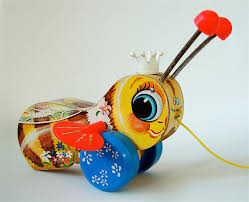
busy-beePostscript:  Not every introduced species is problematic. Another case in point is the bumblebee. Four species of bumblebee was introduced from Britain at the turn of the 20th century to pollinate red clover. None of the native bees had long enough tongue to reach inside red clover flowers, but the imported bumblebees could do the job. Red clover is essential to sheep and dairy pastures.  Over time, England’s bumblebee, Bombus subterraneus went extinct. Now beekeepers in England are working to reintroduce New Zealand bumblebees. The bumblebee also inspired a classic Kiwi toy.


Faffing Around St Heliers

Long time readers of this blog may remember that I absolutely love St Heliers in the East Bays of Auckland. In my book any day in this village is a good day.

When I arrived on Sunday morning at 6:30 a.m. I picked up my luggage, my first flat white and caught a cab to a friend B’s house. I showered and dressed for church. We went to the 9:30 service at St Phillips. I finally learned that All Black’s had won the rugby match against Australia the day before.

B’s friend Joan joined us and we went to the boardwalk to enjoy a drop-dead gorgeous day in St Heliers. The pohutukawa trees were just starting to bloom. The sun shone brightly. It was Labour Day weekend and the beach was full of families enjoying the ocean and one another.

20161023_114655
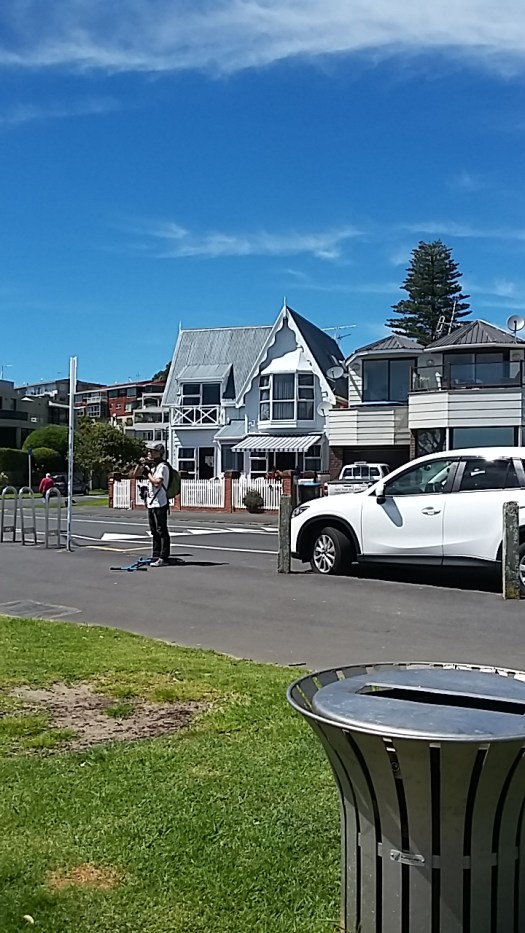
This gingerbready house sold for $3 million recently… guess I will have to win the lottery to own a home in St Heliers.

We walked to the large Morton Bay fig trees on the green and then turned back toward Annabelle’s for lunch. We were able to get a table outside and continue to enjoy the day. It was perfect.


Perfect Days

IMG_2552
View of Auckland from the ferry to Devonport

What does the perfect day look like to you? Of course it depends on where you are. In New York City it might start with coffee and a bagel, include a visit to the zoo in Central Park and end with a Broadway play and a nightcap. I remember one day in Belfast it included taking the bus into the central business district and fossicking around the shops, enjoying a coffee, then listening to Brian Keenan read from his latest novel at the literary festival.

Today is a perfect day at home. I am free of engagements and I can do what I like. I’ve walked to the bakery and farmers’ market. Then I went through my stack of travel magazines. I am watching Poldark (season 1) and Netflix. It is a pretty day and mild weather for July. It is a good day for a bike ride or a hike. My perfect today is full of rest instead and may include a nap.  Once the kids, my brother and I were in Dublin and our perfect day included a long afternoon of drinking coffee and enjoying our own company. Then we found the perfect stew for dinner.

Auckland is someplace I have spent many of perfect day. It often includes a visit to the Auckland Museum. I just received the Spring newsletter (remember, seasons are opposite the Northern hemisphere) and there is an interesting new exhibit opening in October called “Sound.” It spotlights the history of pop music in New Zealand. I will check it out when I visit in November. Days in Auckland also include shopping in Trelise Cooper and Unity Books or taking the ferry and mooching around Devonport.

Devonport Lookin’ Good

20160130_125228

Last time I was in Devonport the streets and walkways near the ferry terminal were under construction. The project is complete and the area looks fabulous. The library is also remodeled and enlarged. Devonport is looking good.

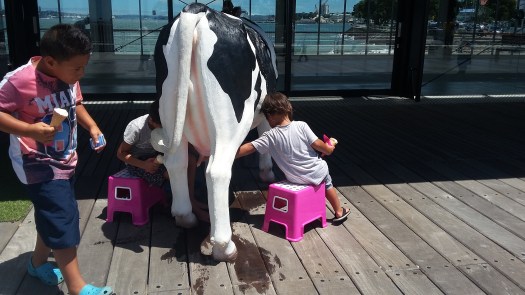
We parked up the hill and walked down the main street to the “best ice cream in New Zealand.” I had to try it. First because I had to test their claim and also because they had this fab fake cow for kids to milk (just water). It was good especially on a hot day.

20160130_125305

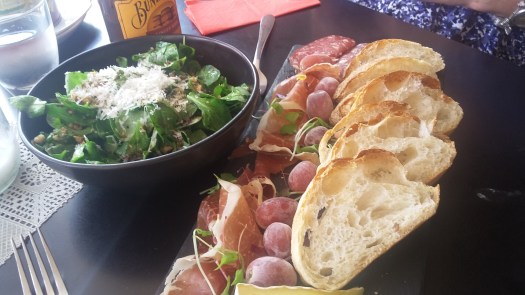
After mooching around Devonport we stopped at Bette’s cafe for a light repast.


20160130_135050

When I lived in St Heliers one of my favorite outings was taking the ferry to Devonport to shop for used books and knitting supplies. I stopped in at Wild and Woolly Yarns and had fun shopping for my grandbaby to be.

Devonport was the last stop on our Northland road trip. We drove over the bridge and through downtown Auckland and back to St Heliers. It is lovely when the adventure ends in such a special place near to my heart.


Northlands A New Zealand Must See

IMG_9358
Hundertwasser Public Toilets in Wakawaka

People are often pressed to decide where they will concentrate their few days in New Zealand. If you only have a week, then many people barely touch down in Auckland and then proceed to the South Island to see the many national parks or for the adrenaline adventures. If you have two weeks you might add Auckland or Wellington. It seems only when people have 3 weeks or more that people make it to the Northland (the long peninsula of land North of Auckland).

I have visited New Zealand over a half dozen times and lived in St Heliers for 5 months and yet I never made it north of Matakana. I was going to borrow a car and go for a few days on my own, and then my friend UK Sarah asked if she could come along. And bonus! she did all the driving. This allowed me to really enjoy the landscape as we drove along.

IMG_9357
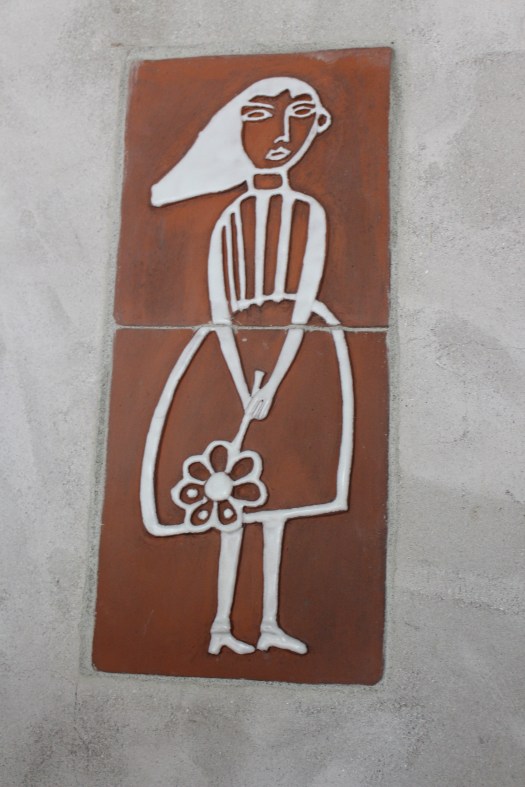
Detail of the women’s sign for the public loo at Wakawaka

The Northland region is subtropical and as you drive north on Highway 1 you can feel a shift in vibe. There is a strong Maori influence and definitely more relaxed.

IMG_9351
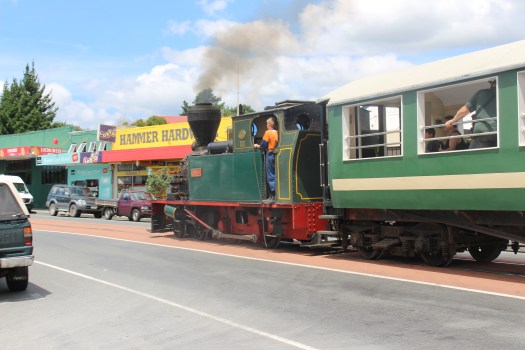
Fun railroad for families in Wakawaka
IMG_9368
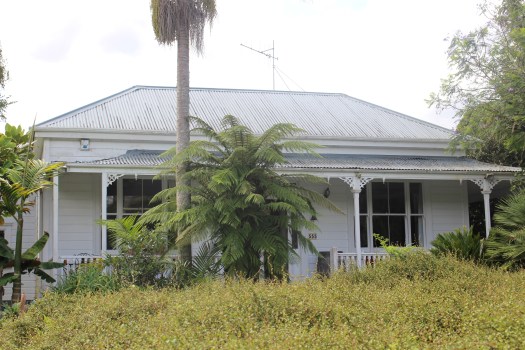
Classic colonial architecture at Lupton Lodge

There are a number of places to stay along the way. We stayed over three nights along the way–one night each in Omapere, Pahia and Whangarei. The last place we stayed was a low key but exquisitely restored Lupton Lodge. We reserved a table for dinner and selected our entrees ahead by email. Everything was delicious. I relaxed and Sarah took advantage of the pool to go for a swim.

IMG_9366
Main bedroom in our 2 room suite at Lupton Lodge

The whole experience was too brief! I was texting back and forth with my son and I realized that I would really like to spend 2-4 weeks every winter in New Zealand. I can imagine staying in Kerikeri or some other bach in the Northlands.


Ferry to Russell for Lunch

IMG_9328

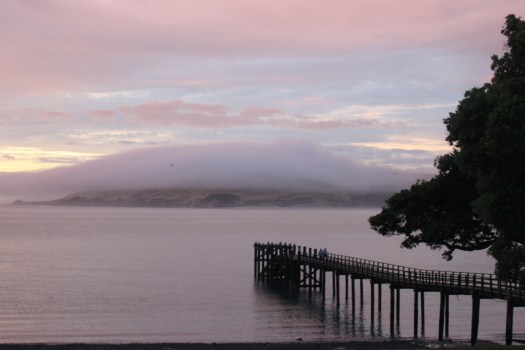
The Bay of Islands stretch between Pahia and Russell. Tis truly beautiful.

Russell is most easily reached by ferry. The ferry ride is not long and feels like an outing. Like a hay ride or a sleigh ride. Anticipation rises as you draw near to Russell.

IMG_9343
The ferry crosses  frequently and costs an adult $12NZ round trip or $6NZ return.

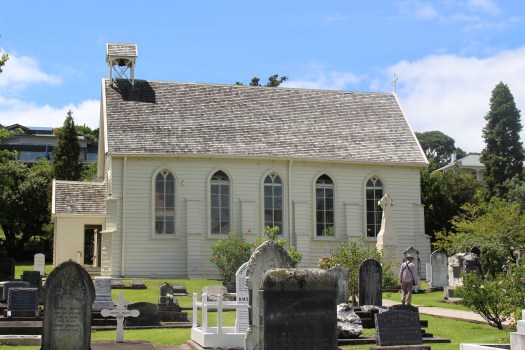
Once we got to Russell we were not hungry or thirsty. My friend UK Sarah had explored the Anglican church on a previous visit so we set off to find it. You cannot get lost in such a small village. The church and yard are lovely. We spent about a half hour looking about and then returned to the village proper.

IMG_9332

Back in the day Russell was the Las Vegas of New Zealand. Whalers and sailors and bad boys looking for sex, alcohol and other good times or mischief stopped in Russell (or Hell Hole). Now Russell is a quiet retirement community and fun place to visit for a day.

I was craving fish and chips and we found a great place in the Gables Restaurant. We sat outdoors and enjoyed a hearty lunch in the garden.

IMG_9337

There is definitely a certain laid back vibe in Pahia and Russell. It is probably the light and the water. Make sure you have set aside some time to just hangout.


Waitangi Worth a Visit

IMG_9307
The house where the Queen’s Governor General James Busby and family lived when he hosted the signing of the Treaty of Waitangi, which legitimized the movement of Europeans to New Zealand under international law.

UK Sarah and I continued our road trip to Pahia and checked into the Pearl of the Bay motel. We spent the first night noshing on a picnic dinner we assembled at the Farmers Market and catching up on our reading and email. The next day we drove straight to Waitangi, which is adjacent to Pahia.

IMG_9293

The Waitangi Treaty Grounds charge an admission to non-Kiwis. When we were there in January the new museum was just days from opening. The gift shop was still small, although there is a lovely cafe with outdoor dining between the main entrance and the waka or war canoe.

IMG_9298


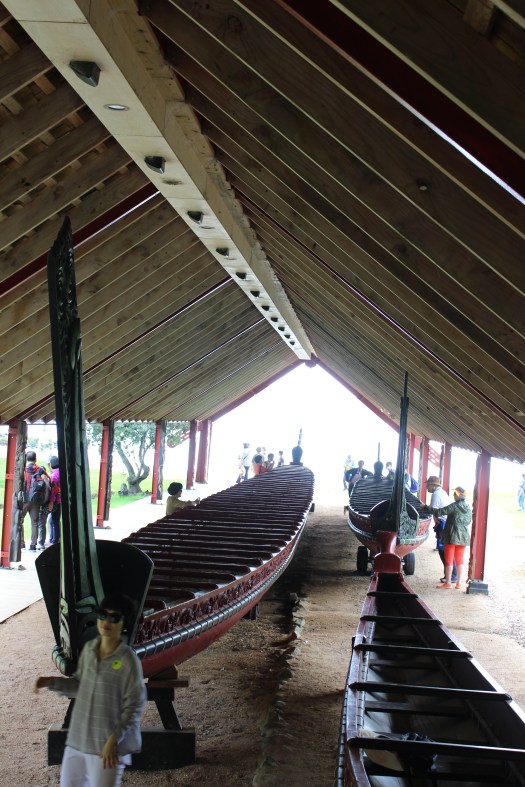
Hobson Beach shelters the iwi Ngāpuhi’s ceremonial war canoe, the world’s largest. The war canoe inspires some silly pictures by tourists.

IMG_9308
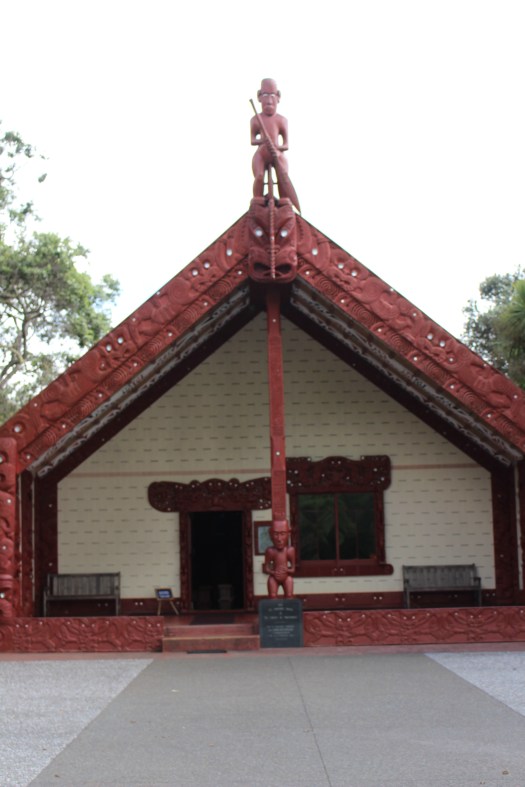
Te Whare Runanga is a carved meeting house for the local Maori iwi.

As the website says: Te Whare Rūnanga (the House of Assembly) is a carved meeting house in traditional form but is a unique expression of its purpose. It stands facing the Treaty House, the two buildings together symbolising the partnership agreed between Māori and the British Crown, on which today’s Aotearoa New Zealand is founded.

We spent a couple of happy hours walking the grounds on the mostly paved trails or elevated boardwalks, reading the exhibits and walking through the Treaty House and carved meeting house. There was a bus of tourists yucking it up at the waka, but we were able to easily walk ahead of them and enjoy the grounds in relative peace.

The Treaty Grounds was readying for the annual ceremony celebrating the historic occasion on Waitangi Day–a national holiday. This particular ceremony is always marked by loud and angry protests from various Maori people. Free speech is alive and well in New Zealand. This year was also going to include the museum dedication.


Kerikeri is Pretty Pretty

The best way to explain the allure of Kerikeri in the Northland of New Zealand is to show you.

IMG_9207

The view as you drive through the Northland changes from water and natural landscapes to cultivated agriculture and forest. Punctuated by thick forest. There are small villages dotted throughout.

IMG_9215.JPG

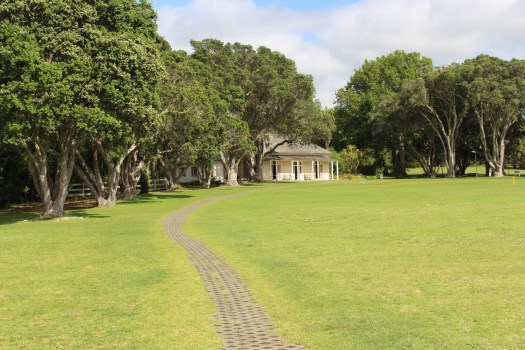
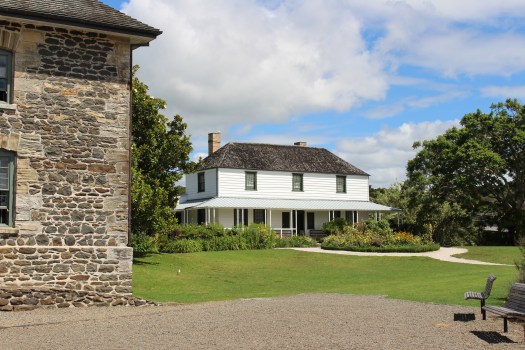
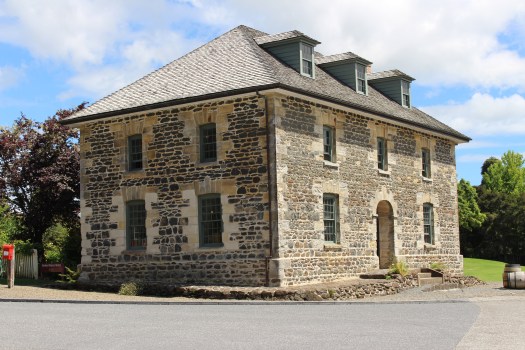
We left Omapere and stopped at the market for a flat white. Before we knew it we were in Kerikeri. UK Sarah drove straight to the historic mission house and storehouse. The Kemp House and Stone Store are some of the oldest buildings in New Zealand. Beautifully maintained and curated, they are fascinating. They look out on this cove and it was hard to remember that the earliest missionaries would have felt their isolation from home much more keenly than we do today. They might not have found this place as idyllic as I do.

IMG_9260

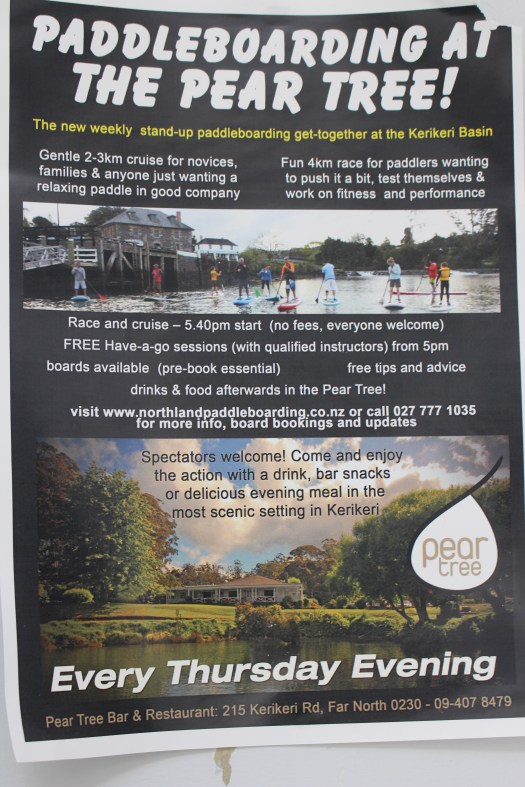
We stopped at The Pear Tree for lunch. It is right next door to the Storehouse and offers the most relaxing outdoor space for dining. The food was good and we enjoyed talking to the young man who waited on us and then brought out our lunch.

IMG_9262

These two signs epitomize the Kiwi  outlook for me.  A wry sense of humor, a spirit of adventure and more.

IMG_9265

It is hard not to think the missionaries had it really great. Who would not want to live in this house on this cove today?

IMG_9220

As museums go, the Storehouse has some really terrific exhibits that explain the early history of European settlement. The gift store on the ground floor is really cool too. I admit sometimes I spend more time in the gift shop than I do the museum. This time the exhibits fascinated even more.

IMG_9217


Big Trees in New Zealand’s Northland

IMG_9186

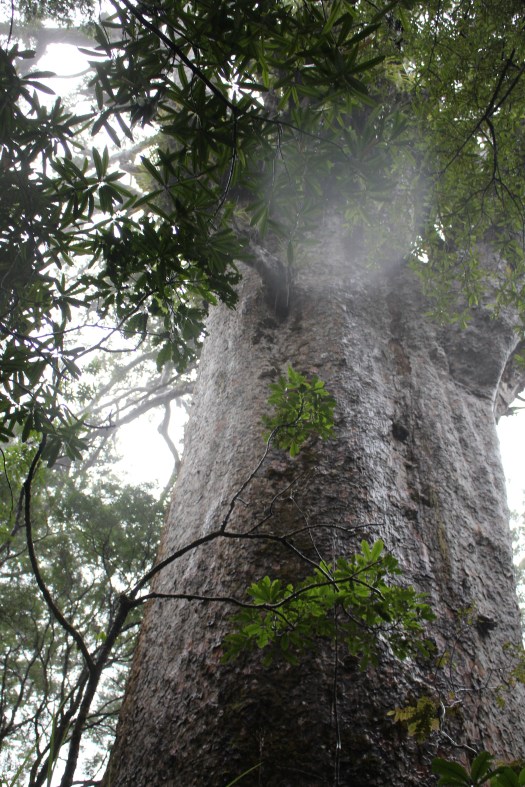
It was pouring rain by the time we drove to the Kauri tree grove just south of Omapere in the Northland of New Zealand. It did not dampen our enthusiasm for these gorgeous big trees one bit. UK Sarah and I made this the main destination of Day One of our Northland road trip.

We left St Heliers in Auckland in the morning and arrived in Matakohe in time to see the Kauri Museum and eat lunch at a nearby cafe. The museum was a great way to understand the special attributes of this giant tree and its history. Unfortunately, it has a similar fate as California’s redwoods and there is only a remnant left.

We continued on Highway 12 getting lost only once. We stopped at the first grove and slipped into our raincoats. Sarah had an umbrella but I decided to rely on my slicker so I would have my hands free to take photos. Please pause to use the equipment provided to spray off your shoes so you do not introduce disease among the roots of these important legacy trees.

We stopped one more time at a second grove of trees. Then sopping wet and starting to get cold, we scooted to our hotel at the end of the highway in Omapere. We were staying at the Copthorne resort and it was terrific. The hotel room was very large and comfy with great views of the bay. The bar and restaurant was very good and we slept soundly. I could have stayed longer but there was more of the Northlands to see.

IMG_9198
View from our hotel balcony.