
There is just too much to do in Copenhagen and I only had 2 full days. I loved every minute so it is a matter of when, not if, I return to Copenhagen.
Here are the 10 activities I look forward to (and with my grandkids someday):
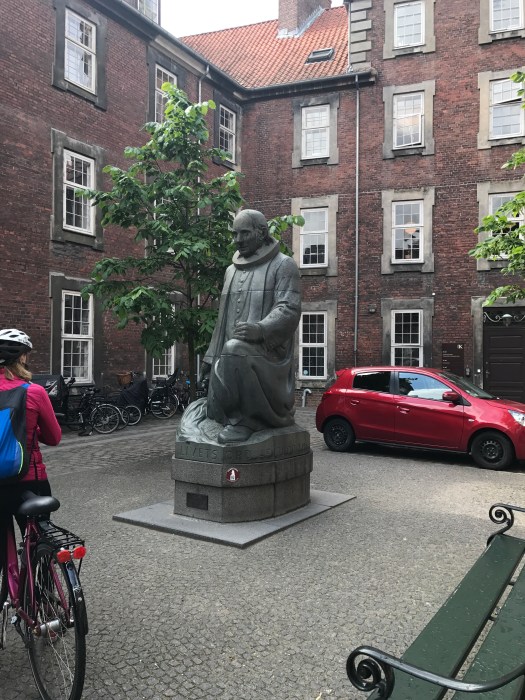
- I really hoped that I could have rented a bike and searched for the Giants in a scavenger hunt. Next time.
- The Resistance Museum was closed due to fire damage in 2013 and will reopen at the end of 2018. Next time, or the time after that.
- I drooled over the royal horses training in the arena and in the future I will visit the Royal Stables.

- Denmark has made such a big impression for a small country of 5.5 million people on the world of design. In the future I will check out the Design Museum Denmark.
- I only lightly sampled the world of desserts and pastries. In the future I will try the Bertel‘s cheesecake.
- When my grandson Calvin is old enough, we will go to Tivoli Gardens amusement park for the day.

- Several people suggested taking the boat tour through the canals and rivers of Copenhagen. I opted for the bike tour. Next time.
- I’m fascinated by the history of Denmark. In the future I will visit the Museum of National History Denmark.
- The oldest sweet shop in Copenhagen awaits. Must taste La Glace.
- Finally, and it is a two-day trip, I will take my grandson (and any other grandkids) with my new LEGO VIP card to Billund to the Danish LEGOland!
P.S. What I won’t be doing is using these two guide books to plan my future visits. They were both very disappointing and the maps particularly frustrating. TripAdvisor provided my most useful information.

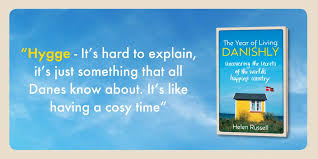
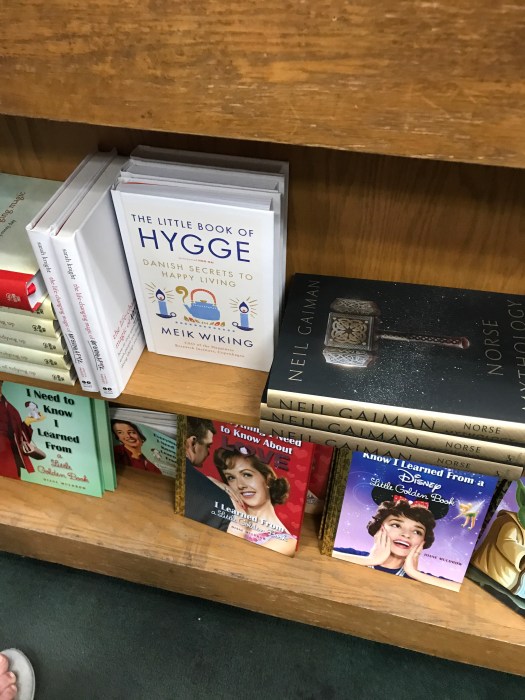 Wiking is the head of the Happiness Research Institute in Copenhagen where he studies living well. I learned quite a few things about hygge from his book. First, unscented candles are critical to creating hygge, best translated in English as “cozy togetherness” Most Danes use lots of candles, lots of sweets and lots of ham and bacon, washed down with coffee or hot chocolate. The ideal number of people to enjoy this cozy time is 3-4 so it is perfect for introverts. The dress code is comfy/casual and often everyone watches “box sets” (think binge watching on Netflix) or plays board games.
 It did seem odd that the name of the most visited art museum in Denmark is called the
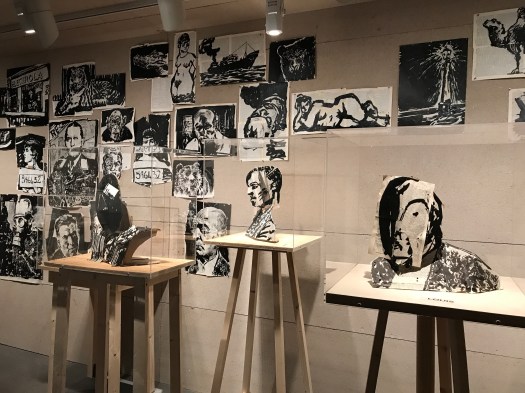
 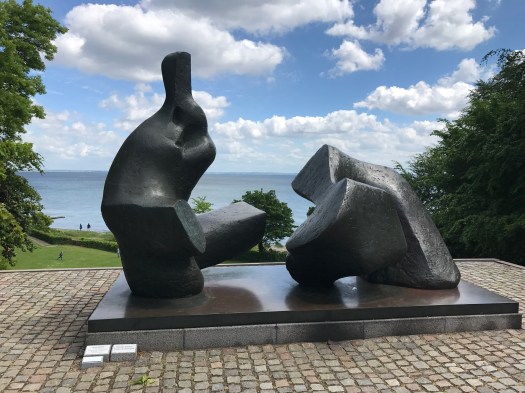 The train takes you to within a 10 minute walk of the Museum. The museum has a permanent collection both indoor and out, plus 2 special exhibits. When I visited I was able to view the retrospective for Danish artist Tal R and a fascinating exhibit of South African artist William Kentridge. I was disappointed because the Marina Abramovic exhibit was due to open the following Saturday, but then I’d have missed Kentridge. (I know, first world problems.)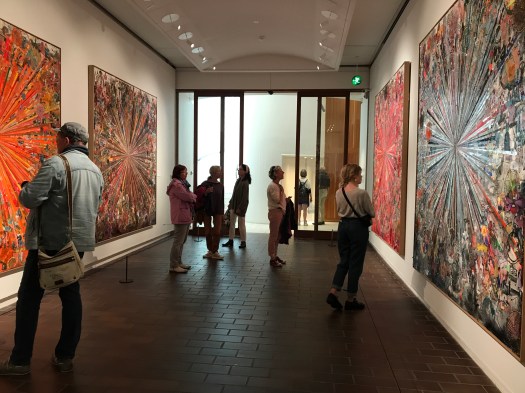


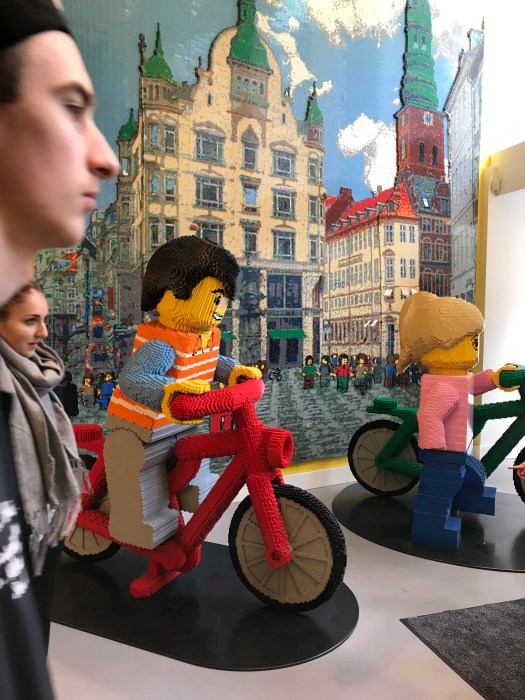 If you love Danish butter or cheese, you may take issue, but ask any kid and they’ll pick LEGOs out of a line-up and agree that this, more than any other claim to fame, puts Denmark on the map. The headquarters of


 At the opposite end of the cost curve was the street food, just down the way along the waterfront to a warehouse called “Paper Island” in English. I circled the various vendors twice and decided on the toasted sandwiches at Spoon. I asked the young man making my sandwich where he would recommend for fries. He said the best were at the place across the hall–the only place that fries them in duck fat. They were both delicious. I also bought a local beer at the “bar” in the middle that allows you to stay and dine at the tables while you go back and forth fetching more food. I also got a recommendation for a cheesecake place, Bertels, on the way home. My intention was to walk home and stop along the way, but the rain was lashing and I hailed a cab once I crossed the pedestrian bridge.


 Some people think it is synonymous with humility and essential to maintaining the egalitarian Scandinavian society. Some people think it is about enforcing conformity. In another memoir, In Cod We Trust, by Eric Dregni, about his family’s year in Norway, he observes, “These ten commandments may have begun as a morality tale of how not to act, but over time these rules were adopted to teach kids not to be self-important narcissists.”
 americanjulie.com