This was the main purpose for our trip to Alabama.
Slavery sculpture by Kwame Akoto-Bamfo
History, despite its
wrenching pain, cannot
be unlived, but if faced
with courage, need not
be lived again.
–Maya Angelou
The way to right wrongs is to turn the light of truth upon them.
–Ida B. Wells
Thousands of African Americans are unknown victims of racial terror lynchings whose deaths cannot be documents, many whose names will never be known.
They are all honored here.
The only way to end the legacy of domestic terrorism is to remember, confront our part, and learn. The National Memorial for Peace and Justice remembers the 4,000 documented lynchings in the United States from the end of Reconstruction to the 1950s. Also called the Lynching Memorial, it is a sacred space with sculptures and a courtyard that evoke emotions of sadness, anger and thirst for justice.
Every county with one or more lynchings has a permanent memorial placed in by state and county in alphabetical order. There are docents who can help you find a particular county, or in our case, to research if there was a lynching in California. There was one county for California represented: Kern County (Bakersfield in the San Joaquin Valley).
Hundreds of black men, women, and children were lynched in the Elaine Massacre in Phillips County, Arkansas, in 1919.
Bird Cooper was lynched in Claiborne Parish, Louisiana, in 1908 after he was acquitted for murder.
Dozens of men, women, and children were lynched in a massacre in East St. Louis, Illinois, in 1917.
The Legacy Museum gives more detail and a timeline of the lynchings. Through a multi-media presentation of historical accounts of lynchings, the Legacy Museum carries the story through to the new method of terror, mass incarceration.
The tickets to the Memorial are $5 per all persons (children under 6 free); $8 for EJI’s Legacy Museum and a combined ticket of $10 per person. There is plenty of parking near the Memorial and a shuttle between the Legacy Museum and the lynching memorial. We thought there might be crowds on the Thursday in October and bought our tickets in advance. This probably is no longer necessary as it has been open for over 6 months. There is a security check at both locations. EJI hosts a gift shop next door to the Legacy Museum.
Birmingham Airport: First time seeing an Ebony magazine newsstand–I’ve seen CNN, NBC and Hudson News, among others.
Alabama looked different than I expected. I’ve been to all of the other Southern states save Kentucky, and I thought Alabama would be flatter and dominated by farm crops. Blame digital map apps. If you are looking up where you are going on a paper map you can’t help but see that the Talladega National Forest is like a green smoothie spilled across the state. With Google Maps I zoom in on where I am going and if I don’t take the time to zoom out or use the other features, I make a mental map that is mostly flat.
I also expected more water. A small part of Alabama touches the gulf shore at Mobile, but for the most part Alabama receives its water from the sky. Far from the Mississippi River, the state and its largest communities are not dominated by rivers in the way so many other places are in the US.
Alabama woods from Vulcan Park in Birmingham: The Appalachian Trail southern terminus is in Georgia, and the Talladega National Forest is the southern end of the Appalachians extending into Alabama.
There are more hills than I expected and the forests are the same mix of pine and hardwood that cover the Appalachians. We came for the civil rights history but these woods made me wonder about the indigenous people who were here even earlier. The Cherokees, Choctaws, Creeks, and Chickasaws, as well as the Alabama-Coushattas and the Yuchis hunted, danced and walked in these woods.
Our adventure is a civil rights crawl. Our plan is to drive our rental car to Montgomery-Tuskegee-Selma-Marion-Greensboro and Birmingham. Phyllis, Chantay and I have done internet research and we are also using the “Alabama Civil Rights Museum Trail” as a guide. We also look forward to eating good food and meeting friendly folks from ‘Bama all along the way.
Harriet, Brian, Grace, Thea and Nora enjoying the Cool Patch Pumpkin entertainment.
My friends were dropping off their daughter at UC Davis and decided to make the Cool Patch Pumpkin corn maze a family adventure on opening day. The Watloves group managed to navigate the maze in just 1 hour 15 minutes. This left them time to play in the corn “bath”: a giant mass of dried corn kernels.
I asked Thea, the Rotary exchange student from Sweden, what she thought of it all. “It was fun,” Thea said. She said there was nothing like it in Sweden. She’s from a small town near the Arctic circle and is learning a lot about Northern California from her host family.
Grace, Brian and Thea celebrate finding their way out of the maze.
While participants are provided a map and the occasional raised bridge to get their bearings in the tall stalks, the corn maze does provide an additional challenge as the furrows make for uneven walking. Maybe this is less of a problem as the season progresses and many feet have tramped the maze. There is an escape route for people who find themselves panicking. The website warns maze navigators not to call 9-1-1. I wanted to know if they handed out wands that send up sparks–alas only in Harry Potter novels. The Watloves benefited from a full moon and started while it was still light enough to read the map. Everyone must be out of the maze (and off the grounds) by 10 p.m. sharp, so the last entrants are allowed at 8 p.m.
All of the “fun” is affordable at $15 per person. Dixon (maze located at 6150 Dixon Avenue West) is close to the Bay Area and just 10 minutes from UC Davis.
There are many different types of public lands in the United States, including local parks, state parks, national forests, and national parks. Yesterday was National Public Lands Day and I didn’t want to step past it. So much of my identify as a daughter of the West is associated with the open space protected by various public land covenants, especially those by the federal government.
I have ridden a horse on the public trails in the Sierra Nevada, walked and hiked among the redwoods and douglas firs of Yosemite and Redwood national parks. Our sensibilities around public access to the coast and to the sacred natural spaces is under attack. There are always people ready to exploit it for personal profit. I am so thankful that even something as small as the Effie Yeaw Nature Study Area in suburban Sacramento preserves a little bit of the wildness of Sacramento Valley and still remains for me and my grandson to enjoy. We only saw the fresh deer poop, not the deer themselves, but the potential remains to see something wild a short 20 minute car ride from his house. I do not want to take this for granted.
I also just learned from a father of a 4th grade student, that the National Park Foundation gives 4th graders and their families free park entry throughout the year. I hope all families with children around this age take advantage of this gift.
I’m going to sign off now and look at my calendar to find a time to visit Yosemite!
Sacramento is the City of Trees even if some boosters are trying to make it the “Farm to Fork” capital. Tree lined streets make our city more livable in the height of 100+ degree summer days.
I’ve lived in Sacramento most of my life. For the first 25 years everyone was content with being the Capitol and a rapidly growing suburban county. As Sacramento-native Joan Didion called it, people had a more mid-western sensibility about their wealth and well-being. Our problems were either hidden or denied. The community was segregated with waves of white flight out of South Sacramento to the burgeoning suburbs.
Our claim to fame was that we were “close to everything.” It was a great place to stop if you were on your way to Tahoe, or Napa, or San Francisco or Yosemite. Sacramento is at the confluence of two great rivers–the Sacramento and American–and a gateway to the Delta, but it’s attraction for the longest time was it was at the confluence of two great highways–Interstate Highways 5 and 80.
Sacramento has long enjoyed a vibrant artists community. Every year more murals are added in Midtown and Downtown.
People in the community liked that it was a less expensive, quieter place to raise children. People would complain about “the traffic” that wouldn’t register on the Los Angeles traffic meter. We also don’t have to worry about earthquakes and our floods appear to be managed for now.
Local artists Suzanne Adan and Michael Stevens created Kit & Kaboodle, an exhibit for kids at the Crocker Art Museum. The Crocker is very kid friendly, and has a great cafe for adults.
The developers who ran local politics began to beat the drum for putting Sacramento on the map and making it a world class city. In the mid-eighties they had a lot of new houses to sell in Natomas, so land speculators and builders began the dubious proposition of making Sacramento famous by bringing a professional sports team to town. The Kansas City Kings basketball team arrived in 1985 to great fanfare and a new stadium in Natomas. It did raise Sacramento’s profile but it also gave other cities opportunity to mock us for being a Cowtown.
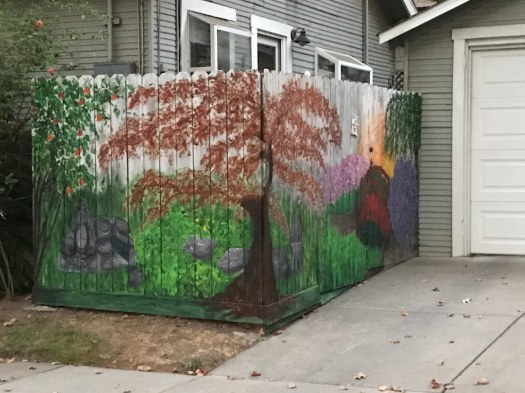
My neighbor created this on her fence and I love it!
Periodically ever since, someone–a mayor or other city booster–declares Sacramento a destination. Self-declaration doesn’t count. In the travel world you have to be anointed a destination by the Conde Nast magazines. Or the New York Times travel editor. Preferably both.
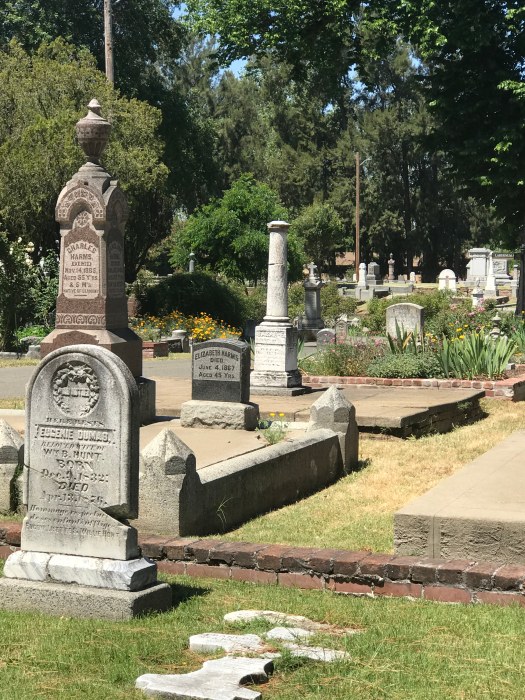
Sunset Magazine and other publications don’t mention the cemetery, but the Old City Cemetery of Sacramento is beautiful and fascinating. Docents offer a wide range of tours.
At last, thanks in large part to the spotlight that Sacramento-native Greta Gerwig shone on our fair city, Sacramento is getting the attention that some would say is long overdue. The New York Times recently released “36 Hours in Sacramento“! It is so weird to read about the places you eat or shop regularly as destinations. Lovely too.
Once in my first professional job after grad school, the National Geographic hired our little think tank at UC Davis to review an article they were doing on the Great Central Valley. We looked at their map and shook our heads. They had Gilroy on the west side of the Valley. There were other errors as well and they didn’t correct all of the mistakes we identified for them. It made me skeptically at National Geographic maps ever since.
I love the 36 Hours series, but now having read the writer’s suggestions that would have you crisscrossing all over Sactown, I am going to refer to the 36 Hour recommendations but take the schedules with a grain of salt. Thanks for the shout outs for local favorite restaurants and shopping destinations. We have always had a vibrant arts community and now more people are taking notice.
Sacramento has also been in the news lately because of the police shooting of an unarmed black man. Stephon Clark’s death has tested our community and revealed some problems many would rather ignore. We also have a serious homelessness problem. It appears the city council and county supervisors may finally be ready to deal with the issue. Hopefully we will begin to reform the inequities so we can truly achieve “great” status.
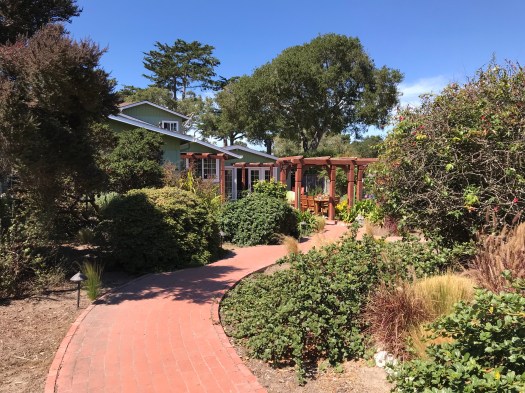
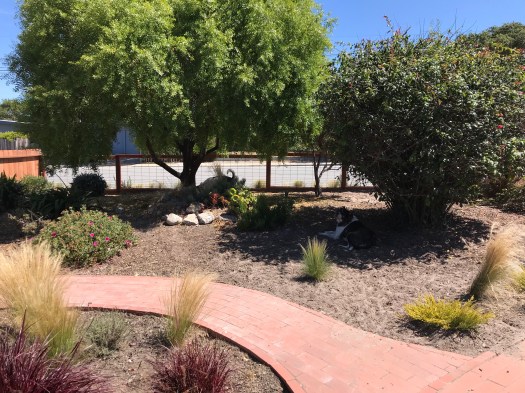
I was driving home from the grocery store and I spied this garden as I drove by. I parked nearby and walked back to take some photos. The homeowner was at the mailbox so I asked permission to take photos. Cindy invited me to get a closer look.
I used to live in Pacific Grove in the mid-80s. A lot has changed since then, and at the same time it is still a delightfully “normal” place to visit. The neighborhoods and downtown on Lighthouse Avenue are charming. It is bounded by Ocean View Avenue with a rugged and beautiful coastline. I prefer to stay here over any other part of the Monterey Peninsula.
Cindy and her family moved here in 1987 and incrementally created this garden over the years. They don’t have a backyard, but we agreed that we typically only use one or the other. This is better allocation.
In the past I have stayed at motels and hotels. This visit I am with my daughter and her family so we rented a home. We looked on VRBO and Airbnb and we found the 2 bedroom 2 bath home we are renting on Airbnb. It has been more comfortable than 2 hotel rooms and about the same price.
We can cook meals.
There is a living room where Calvin can make play with his toys (and make a mess).
We can play dominoes at the dining table and laugh without worrying about waking up a sleeping toddler.
Cindy even invited me to come in to the house to see her paintings. I shared some of my favorite artists on Instagram. We had a great conversation.
There is a debate raging about the phenomenon of vacation rentals and how it is changing the neighborhoods and city finances of Pacific Grove (PG). My daughter saw a sign for Measure M. I did some research and learned that Monterey and Carmel have tight restrictions on the vacation rental market and PG does not. Also residents have been complaining about over-concentrations of homes for short-term rent for over 3 years and the city council had not taken any action. I had noticed that many of the motels and hotels had vacancy signs, which is uncommon in my memory. There is usually some kind of conference going on at Asilomar or tourism that keeps them near full.
We were walking on Asilomar Beach with Calvin and a dog and then another 2 year old and her dad joined us. We did the usual back and forth about the kids and then he asked where we were staying. We admitted that we were staying in a home nearby. He shared his frustration with the vacation rental situation. “They aren’t paying the taxes they owe the city.” He also alluded to the partying and recently moving from Nashville, which was a party town, he was hoping to escape that scene. Sarah and I weren’t quite sure what his point was as we haven’t witnessed anything but deer roaming the streets and senior citizens power walking in the neighborhood. I mentioned that my neighbor has dedicated his investment property (across the street from me in Midtown Sacramento) for AirBnB rental. People are coming and going during the week and weekends. They typically empty a lot of “bottles” into the recycling, but to be fair, they have yet to disturb anyone.
Not all people in Pacific Grove are this friendly, nevertheless if you stay open, you are more likely to have a great experience and possibly meet a kindred spirit.
As a consumer of temporary housing when I travel, I appreciate the range of choice available today. At the same time I am also sympathetic to the challenges it creates, especially in housing markets where rentals are already scarce and prices are rising. I also remember the signs posted in Venice, Italy protesting Airbnb and the perceived effect that it was pricing “real Venetians” out of Venice.
As we walked back to the car, Sarah and I discussed our conversation with the local who is going to vote to limit vacation rentals to the coastal zone (1 mile from coastline) and the business district. He wasn’t unfriendly, just frustrated. We wondered if we shouldn’t have rented the home we are staying in, and decided that we were unaware of the controversy, we are in the coastal zone, and it isn’t illegal. We’d like to come every year, so we’ll have to think through our options next year. Also, does Airbnb pay the local transient occupancy tax or expect hosts to do so?
When I lived here in the 80s, the prices were climbing well beyond the ability of people mostly working service jobs to afford to buy. Then the problem was that some of the supply was taken off the market by people who could afford to buy a second or third home on the Peninsula. They only spent a few weeks a year in Carmel or Pebble Beach and this had a ripple effect in the entire housing market. The Airbnb phenomenon makes it possible for upper middle class people to buy a vacation home and afford it thanks to additional rents.
It is complicated. When Airbnb started I thought it was restricted to host-occupied residences. It was both the attraction and the turn-off. I prefer a hotel to a Bed & Breakfast because I prefer to be left alone. Now it has become a platform for entrepreneurs with enough cash to invest in a dedicated vacation property. I use ride sharing services and appreciate the greater availability of cars where I am, the app’s easy way to pay, but it has not been so great for taxis. A lot of these apps disrupt the existing order of things and create new opportunities for consumers and the industrious. Hopefully Pacific Grove will find the right balance.
I became a member when my grandson was born. This trip we are celebrating his second birthday with multiple trips to the Aquarium.
As a member of the Monterey Bay Aquarium, I try to visit as often as I can. Indeed, the entire Monterey Bay offers an opportunity to observe marine life. Just a few days ago a “superpod” of dolphins was caught on video by the Aquarium staff. As my 2 year old grandson would say, “Wow!”
The Monterey Bay Aquarium gives those of us unable to snorkel or dive the opportunity to see life under the sea. The Open Sea exhibit has hammerhead sharks and two sea turtles. I spent at least 5 minutes watching the female octopus actively exploring her space.
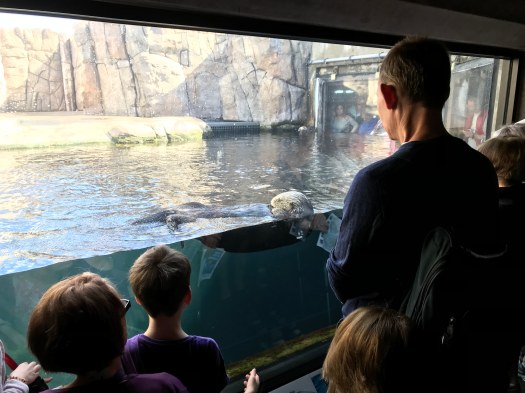
The sea otters are favorites. Sometimes it is hard to appreciate them because of the crowds. My friend UK Sarah was reading Cannery Row by John Steinbeck and he didn’t mention sea otters. I double checked with the docents and they agreed the sea otters were almost hunted to extinction when Steinbeck was in Monterey County. They began to make a comeback in the mid-70s. The growing public support for marine life made it possible to establish the Monterey Bay National Marine Sanctuary in 1992. The kelp forests are essential for the otters, yet without otters the urchins proliferate and eat the kelp forests. Thanks to the Aquarium’s education and conservation programs the Bay has become a much friendlier place for all marine life.
I learned a few things on these visits to the Aquarium. Two year olds (not just Calvin) will vocalize in a way that sounds a lot like screaming like a monkey when they are frightened by the “ocean wave experience” or a scary fish. Mostly though they are in awe and very excited to take it all in.
People outside of Northern California don’t necessarily spend time learning about the 1849 California Gold Rush, but growing up in Sacramento, you can’t help but learn about it. Not surprisingly, people who live in this region of West Virginia you can’t help but absorb a lot of Civil War knowledge. Harper’s Ferry National Park is a gem of a park and so much more interesting than so many of the Civil War battlefields I’ve been to. And this was a continuous battleground over the course of the war.
The park is located on the Appalachian Trail and preserves the place where John Brown was tried and hung. As you walk around the old part of town you can see shops preserved as they might have been during the Civil War alongside a current day bookstore and places to find food or outdoor equipment.
You can also go on hikes or walks along the rivers. I hung out in the Coffee Mill while my friend Nyasha jogged and walked over bridges and along the river. The Coffee Mill was frustrating as so much of what was listed on the menu was unavailable.
We came across re-enactors in several places. I asked the three Confederate soldiers why motivated them to volunteer as living history docents. They are self-professed History nerds.
Parking is also a challenge. I grabbed one of the last spots along the street on Potomac Street. I downloaded the National Park Service parking app and paid via PayPal. After 10 a.m. you can probably expect to use the parking lot up the hill and take the shuttle to the main part of the historic village. I found it difficult to find a way to pay the day use fee. I finally waited in line at the entrance up the hill because I want our National Parks to be around for my grandchildren.
The entrance fee is just $10 per carload or $5 per person if you walk or bicycle into the Park. This is a real bargain at Harper’s Ferry.
I freely admit that my travel choices are influenced by Netflix shows, especially Chef’s Table. Season 4 the episodes focus on dessert. I somehow missed the hoopla about Christina Tosi’s Milk in New York City. This June she opened a flagship store with lab in Washington, DC.
Carole and I headed there on a hot and muggy day. We didn’t get the cereal milk softserve. Instead we bought a slice of chocolate malt cake, a slice of birthday cake, and some crack pie to share. Sugar shock in the best way!
This store at 1525 15th Street NW near Logan Circle doesn’t have a lot of indoor seating (as in, air conditioned), and there is limited outdoor seating. There are parking spaces though! And they are offering baking classes here.
We browsed her cookbooks and are seriously exploring taking the chocolate malt cake in the near future. Meanwhile I crumbled my remaining crack pie in my oatmeal this morning and it was very, very good.
I was looking for some hidden gems in Boston so I checked out the website Atlas Obscura. Reading about Caffe Vittoria was intriguing. When I shared the address with my son, he’s wanted to go too because it is in Boston’s North End.
You got to love a big city that costs only $10 to Lyft across town. Boston is very compact and you can walk 15 minutes in almost any direction to a new neighborhood and experience something unique and fun.
We were dropped off across the street and faced Caffe Vittoria on the left and Mike’s Bakery on the right. There was a line down the block to get a cannoli from Mike’s Bakery. But we came for coffee and gelato and the coffee related ephemera in Caffe Vittoria. It is also the first Italian coffee cafe in Boston. I loved the pistachio gelato and Tevis enjoyed his blackberry gelato. My decaf Americano was good.
We started walking off our dessert as we headed to the T Station. We paused at North End Park where many people were relishing their cannoli and playing in the fountains. It is a great small park with adult swings and nifty lawn chairs.
People in Boston complain about the T and the need for maintenance. Yet it goes where you need it to go and is affordable. Coming from a place with limited public transportation I find it delightful. We walked home from the station enjoying the cooler evening.


 The only way to end the legacy of domestic terrorism is to remember, confront our part, and learn. The National Memorial for Peace and Justice remembers the 4,000 documented lynchings in the United States from the end of Reconstruction to the 1950s. Also called the Lynching Memorial, it is a sacred space with sculptures and a courtyard that evoke emotions of sadness, anger and thirst for justice.
 The Legacy Museum gives more detail and a timeline of the lynchings. Through a multi-media presentation of historical accounts of lynchings, the Legacy Museum carries the story through to the new method of terror, mass incarceration.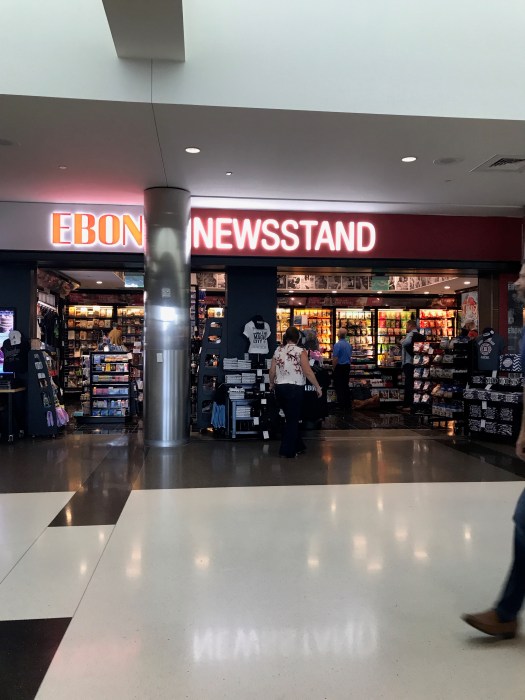


 There are many different types of public lands in the United States, including local parks, state parks, national forests, and national parks. Yesterday was National Public Lands Day and I didn’t want to step past it. So much of my identify as a daughter of the West is associated with the open space protected by various public land covenants, especially those by the federal government.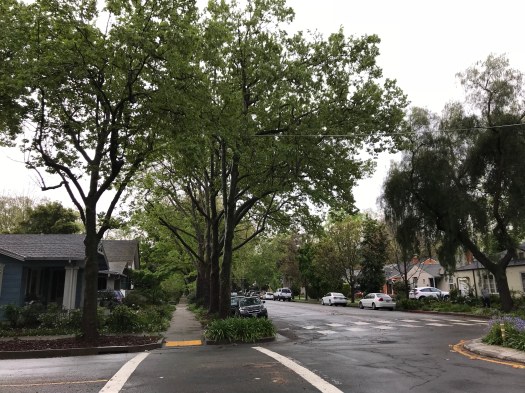




 When I lived here in the 80s, the prices were climbing well beyond the ability of people mostly working service jobs to afford to buy. Then the problem was that some of the supply was taken off the market by people who could afford to buy a second or third home on the Peninsula. They only spent a few weeks a year in Carmel or Pebble Beach and this had a ripple effect in the entire housing market. The Airbnb phenomenon makes it possible for upper middle class people to buy a vacation home and afford it thanks to additional rents.
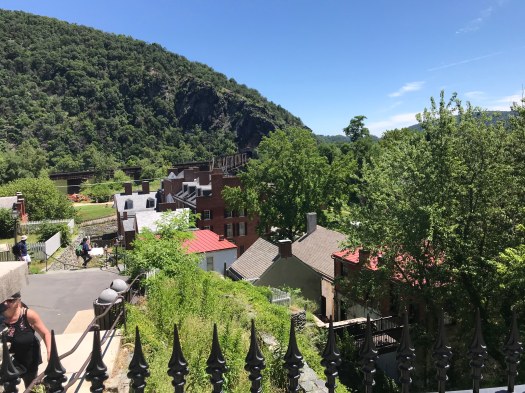 The park is located on the Appalachian Trail and preserves the place where John Brown was tried and hung. As you walk around the old part of town you can see shops preserved as they might have been during the Civil War alongside a current day bookstore and places to find food or outdoor equipment.

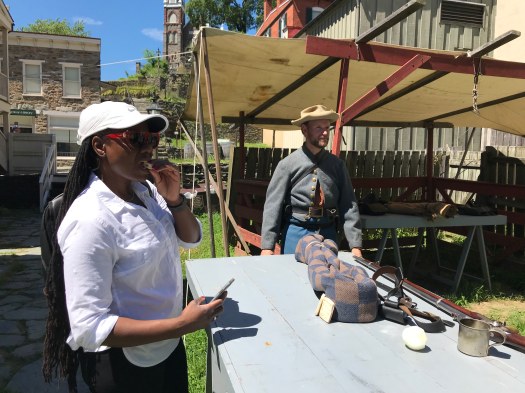 Parking is also a challenge. I grabbed one of the last spots along the street on Potomac Street. I downloaded the National Park Service parking app and paid via PayPal. After 10 a.m. you can probably expect to use the parking lot up the hill and take the shuttle to the main part of the historic village. I found it difficult to find a way to pay the day use fee. I finally waited in line at the entrance up the hill because I want our National Parks to be around for my grandchildren.

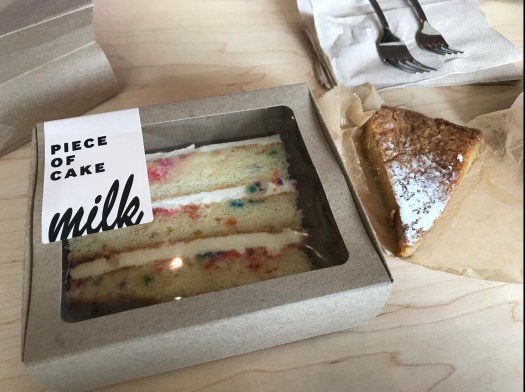 I freely admit that my travel choices are influenced by Netflix shows, especially
  This store at
  We browsed her cookbooks and are seriously exploring taking the chocolate malt cake in the near future. Meanwhile I crumbled my remaining crack pie in my oatmeal this morning and it was very, very good.
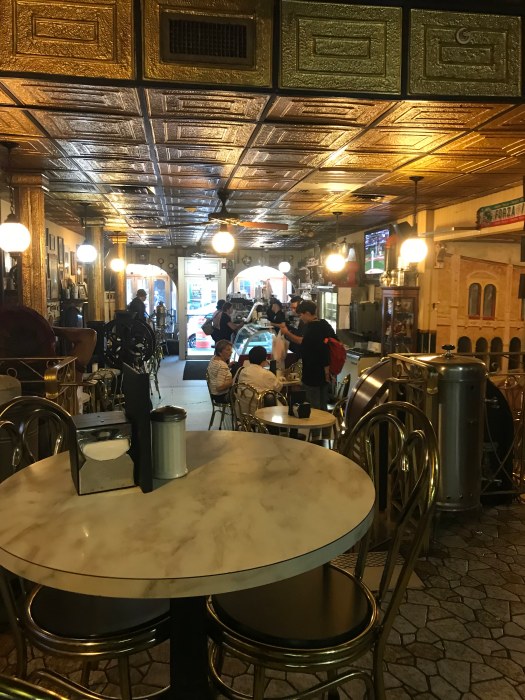 I was looking for some hidden gems in Boston so I checked out the website


 americanjulie.com